
Insights
All Insights
A collection of articles, reflections, and strategic thinking from the GATICORP ecosystem.
Business
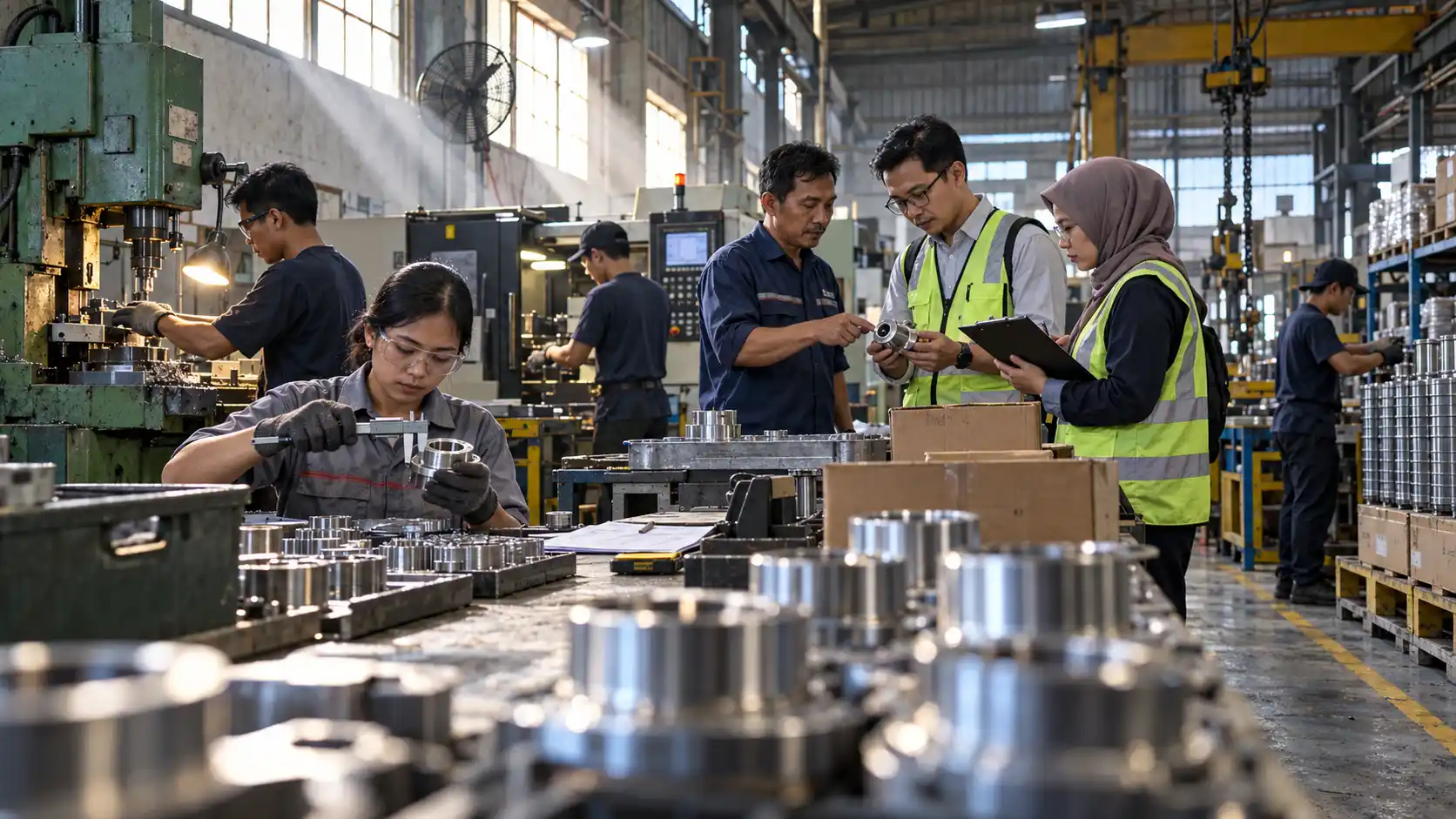
Business Matching Does Not Make You a Supplier Yet
Meeting a buyer opens the door, but it does not make a company a supplier. Qualification requires evidence of quality, capacity, cost, delivery, documentation and operational consistency.

Business
Exports Do Not Always Travel in Containers
Design, software, consulting, engineering and hospitality can all become exports. The challenge is turning expertise into a service that overseas buyers can clearly buy, receive, evaluate and repeat.

Business
A Barcode Is More Than Lines on a Package
A barcode may look like a small packaging detail. Behind it sits the product identity that helps retailers and marketplaces recognise, record, sell and manage an item consistently.

Business
Having a Buyer Does Not Mean You Are Export-Ready
International buyer interest is an opportunity, not proof of export readiness. Quality, capacity, compliance, pricing, payment and delivery still need to work together.

Business
Businesses Do Not Always Need More Tips. Sometimes They Need a Diagnosis.
Not every business problem is solved by another tip. Before choosing a strategy, owners need to distinguish symptoms, causes, constraints and the decision that actually needs to be made.

Business
More Trips, But Are Local Businesses Capturing the Spend?
Indonesia is recording more travel, but visitor growth alone does not determine local business value. The real question is where tourism spending ultimately lands.
Business
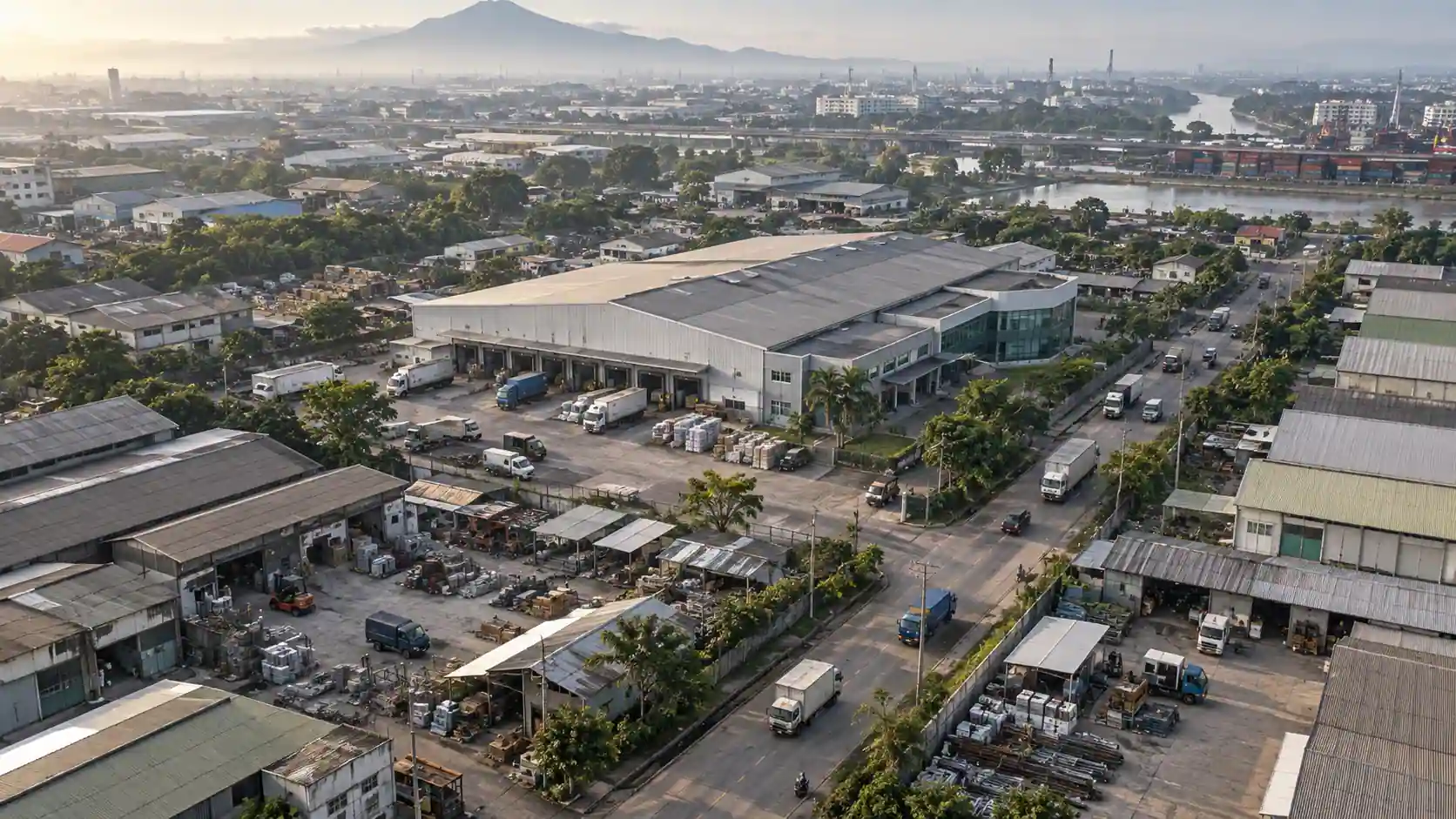
Supply Chains Get a New Financing Route
From October 1, Indonesia’s strengthened RPIM framework expands eligible financing to suppliers, distributors and corporate partners. The opportunity is not simply more SME loans, but better ways to convert real commercial transactions into working capital.

Business
Liquidity Is Growing, Access Still Differs
Indonesia’s M2 reached Rp10,448.1 trillion in August while bank credit continued to expand rapidly. Yet aggregate liquidity does not mean every company can access financing at the same price, tenor or amount.

Business
Rupiah–SGD Creates a New Option
Indonesia and Singapore now have an operational framework for settling eligible bilateral transactions in Rupiah and Singapore Dollars. The real opportunity is not simply avoiding the US dollar, but giving treasury teams another way to align invoices, cash flows, liabilities and hedging.

Business
AI Is Changing How Travellers Choose
AI is moving from search assistance into travel planning. For hotels, restaurants, tour operators and tourism SMEs, the new challenge is not simply being online, but making business information accurate, structured, trustworthy and distinctive enough to be discovered inside AI-assisted travel journeys.
Business
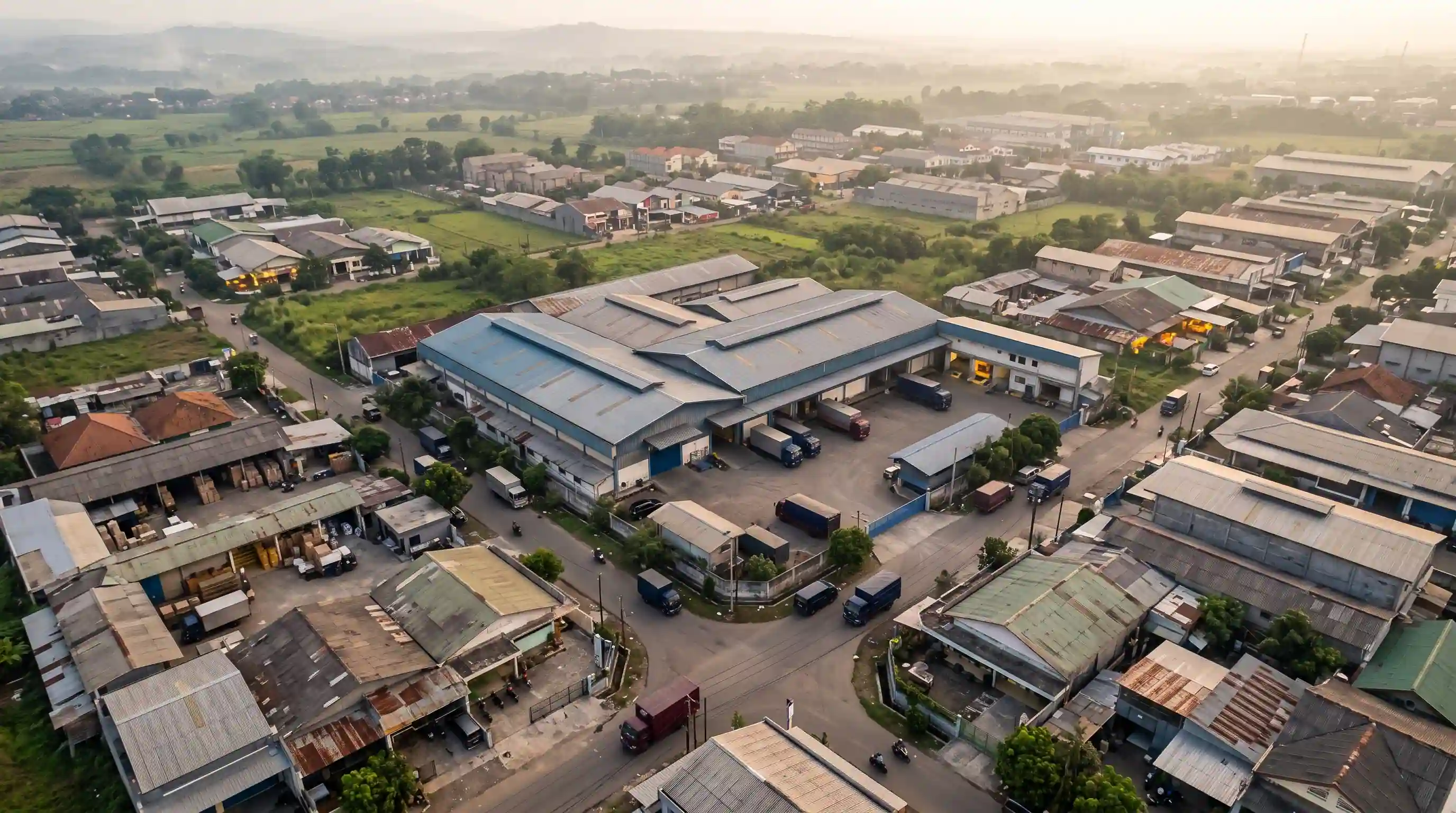
A New Financing Route for Supply Chains
From October 1, Indonesia’s strengthened RPIM framework expands eligible financing to suppliers, distributors and corporate partners. The bigger opportunity is to turn verifiable commercial transactions into working capital while preserving underwriting discipline.
Business
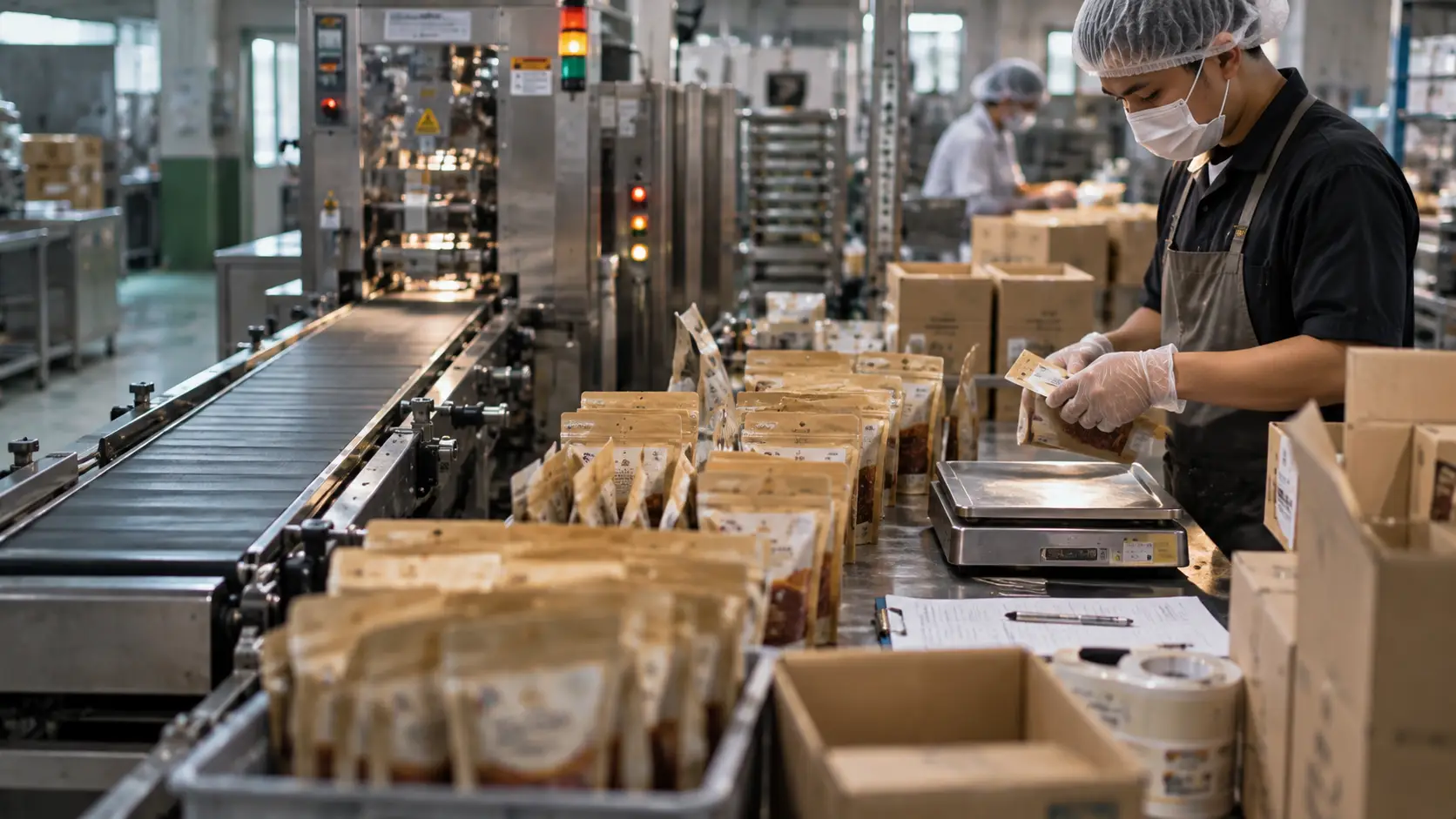
High Utilisation Is Not Enough to Justify Expansion
Indonesia’s business-capacity utilisation increased to 73.80% in Q2 2026 while investment remained strong. But high utilisation is not an automatic signal to add factories, machines or headcount. Companies need to identify real bottlenecks and test whether demand is durable.

Business
Spending Recovers, Consumers Stay Selective
Consumer confidence improved in August, but retail-sales growth remains modest. For retailers and brands, the challenge is shifting from generating traffic to winning a larger share of increasingly selective household spending.
Business
Credit Is Rising. Is Liquidity Tightening?
Bank credit grew 13.58% year on year in July, faster than deposits at 11.21%, pushing the system LDR to 88.38%. Liquidity buffers remain strong, but the widening funding gap could increasingly matter for loan pricing, tenor and refinancing.

Business
Can New Credit Scoring Be Fairer?
Alternative credit scoring can help lenders assess SMEs with limited conventional credit histories. But more data does not automatically create fairer lending. Data quality, bias, explainability, consent and human oversight remain critical.
Business
Ahead of Bank Indonesia’s September Meeting: What Should Businesses Watch Beyond the BI-Rate?
Bank Indonesia meets on September 22–23. The policy rate matters, but companies experience monetary policy through a wider transmission chain: the rupiah, liquidity, bank credit, capital flows, hedging costs and actual borrowing rates.

Business
Retirement Is Not Just an Employee Issue: Why Companies Should Care About Workforce Readiness
Indonesia has entered the ageing-population phase while pension-fund inclusion remains low. For employers, retirement readiness is not merely an employee’s personal-finance issue—it also affects workforce planning, succession, wellbeing and career transitions.
Business
Indonesia’s Imports Jumped 27.02% in July: Investment Signal, Cost Pressure, or Dependency Risk?
Indonesia’s imports rose 27.02% year on year in July 2026, far faster than exports. Yet more than 91% of imports in January–July consisted of raw and auxiliary materials plus capital goods, making the story as much about production and investment as consumption.

Business
Indonesian Banks Remain Optimistic in Q3 2026: What Does It Mean for Business and SME Credit?
OJK’s latest banking survey shows optimism remains intact, with strong performance expectations and manageable perceived risks. But ample liquidity and lending appetite do not automatically translate into easier approval for every business.
Business
Ahead of Indonesia’s Q2 International Investment Position: Read Capital Confidence Beyond the Headline
Indonesia’s Q2 2026 International Investment Position is due on September 11. Balance-of-payments data already show stronger capital inflows, but the IIP is a stock of external assets and liabilities—not simply a measure of foreign money coming in.

Business
Indonesia’s July Retail Sales: Which Categories Are Moving and What Does It Mean for SMEs?
Bank Indonesia expects July 2026 retail sales to grow 0.9% year on year. For SMEs, the bigger question is not the headline number, but which categories are moving, how quickly inventory converts back into cash, and whether growth is profitable.

Business
Ahead of Indonesia’s August Consumer Survey: Confidence Does Not Automatically Mean Spending
Bank Indonesia is scheduled to release its August 2026 Consumer Survey on September 9. July confidence remained optimistic, but both current-condition and expectation indicators softened, reminding businesses that confidence and actual spending are not the same thing.

Business
Indonesia’s August Reserves Are Due: What Importers and FX-Exposed Businesses Should Watch
Bank Indonesia is scheduled to release August 2026 foreign-exchange reserves on September 8. Before focusing on whether the headline number rises or falls, businesses should understand what reserve data can—and cannot—tell them about the rupiah and FX risk.

Business
Consumer Inflation Is 3.19%, Wholesale Prices 6.18%: Why Business Cost Pressure Can Feel Different
Indonesia’s consumer inflation remains within the central bank’s target range, but producer and wholesale-price indicators are moving faster in several areas. For businesses, the real question is how that pressure flows into margins, pricing, and cash flow.

Business
Export-Ready MSMEs: A Good Product Is Not Enough
The first shipment is only one milestone. Export-ready businesses must consistently meet buyer specifications, economics, capacity, documentation and repeat-order expectations.

Business
KKI 2026: Turning Exposure into MSME Growth
Exhibitions can open doors for small businesses, but durable growth begins when visibility becomes qualified leads, repeat orders and an operation capable of meeting demand.

Business
Bank Indonesia Holds Rates: Focus Shifts to Liquidity and Financing
Bank Indonesia held its policy rate at 5.75%. For businesses, however, the more important shift lies in liquidity policy, expanded FX hedging incentives and measures designed to keep financing flowing into the real economy.

Business
Indonesia’s 2026 Labour Inspections: A Business Readiness Guide
Indonesia’s updated labour-inspection framework introduces clearer procedures and digital self-assessment through SIAPkerja. For companies, the key issue is whether policy, evidence and day-to-day practice remain consistent.
Business
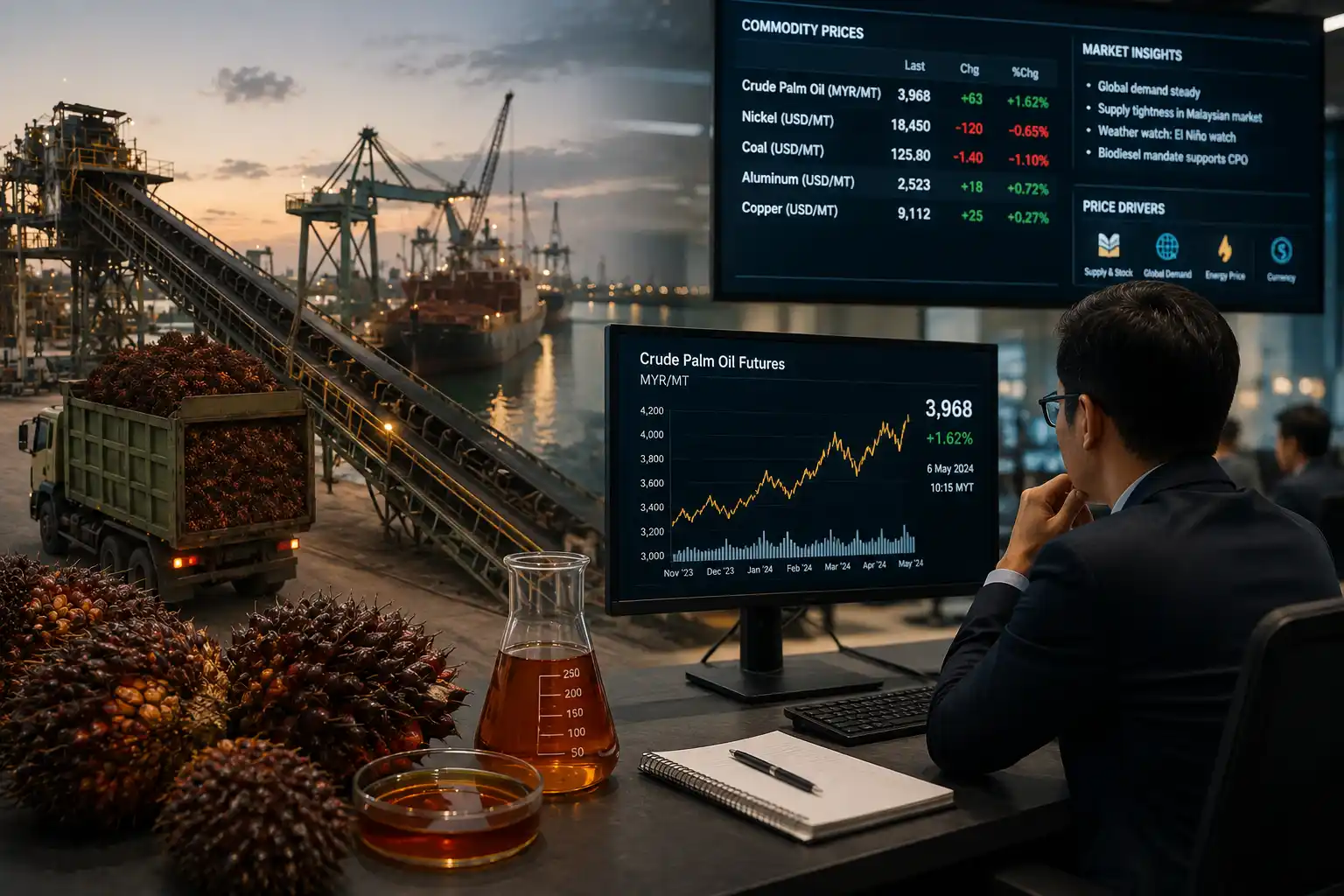
Indonesia’s New Commodity Exchange: Building a Domestic Benchmark
Indonesia wants a greater role in commodity price formation. The next challenge is creating a market liquid and credible enough for producers, buyers and traders to use its prices as real benchmarks.

Business
Investment Is Rising. Are Jobs Improving Too?
Investment is rising and more Indonesians are working. The next challenge is ensuring that new capital produces productive jobs, higher skills, stronger incomes and long-term opportunity.
Business
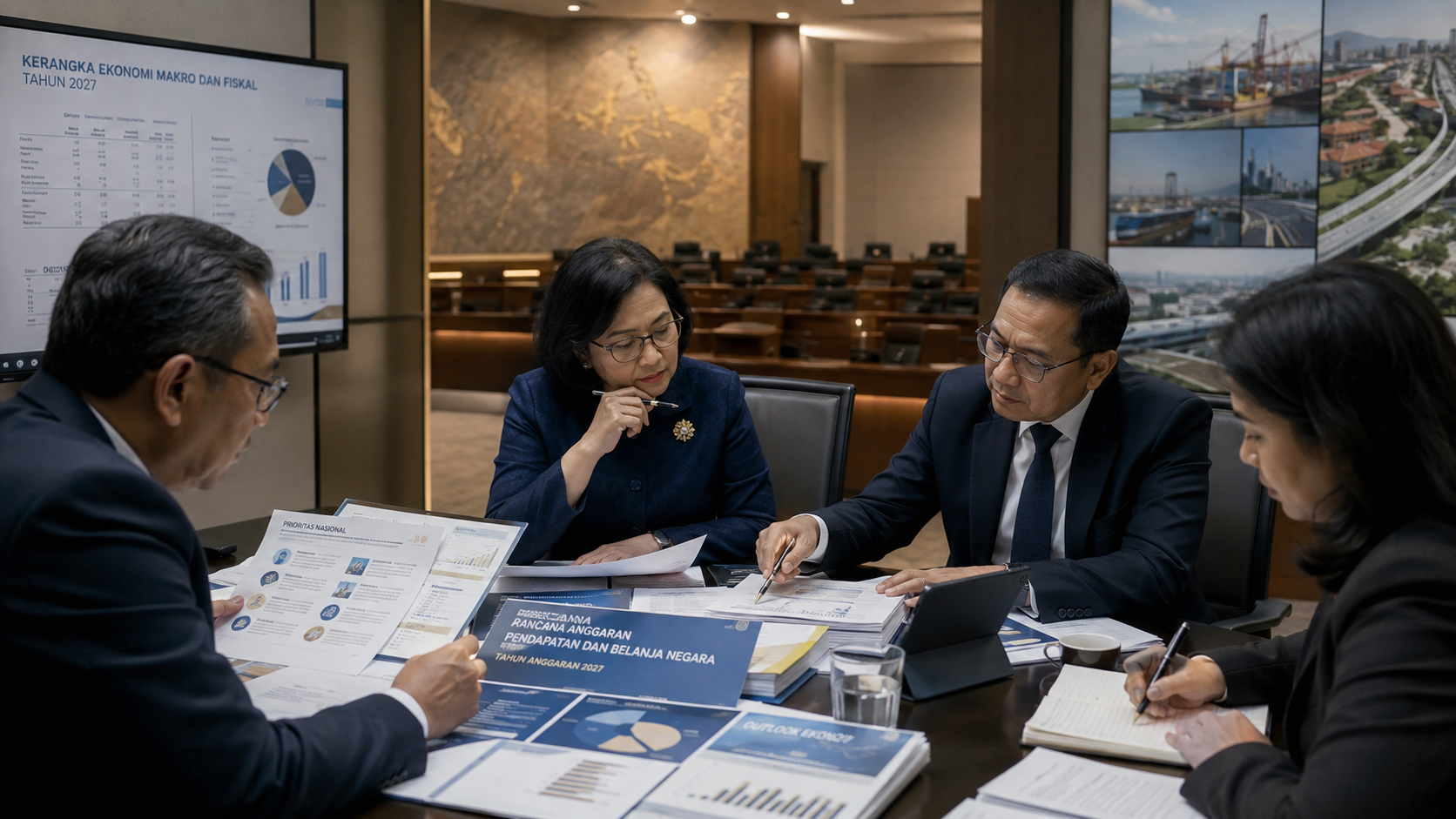
Indonesia’s 2027 Budget: Can Growth Reach 6%?
Indonesia is targeting 6% economic growth in 2027 while proposing a smaller fiscal deficit. For businesses, the key question is how investment, productivity, consumption and public spending translate into real demand.

Business
Indonesia’s 2026 Economic Census: A Practical Guide for Businesses
Indonesia’s 2026 Economic Census remains active through 31 August. For business owners, the practical questions are simple: what should be prepared, how can official enumerators be verified, and how should the process be handled safely?

Business
Ahead of BI’s Meeting: Five Numbers Businesses Should Watch
Five numbers provide a practical dashboard before Bank Indonesia's August meeting: the policy rate, average lending rate, credit growth, manufacturing PMI and Rp2.49 quadrillion in unused credit facilities.

Business
GoTo and MSCI: A Lesson in Market Liquidity
GoTo’s operating performance has improved while its shares face a different problem: market liquidity. The case illustrates why earnings, free float, transparency and institutional investability need to be assessed separately.

Business
Business and Human Rights Rules: What Should Companies Prepare?
Indonesia is developing a more structured system for assessing business compliance with human-rights principles. The new regulation is not yet final, but companies can already identify risks across workers, suppliers, workplace conditions, privacy, communities and grievance processes.

Business
Imports Rise 34.27%: How Vulnerable Are Business Supply Chains?
Rising imports do not automatically signal economic weakness. For individual businesses, the more important question is whether imported inputs increase productivity or create excessive dependence on suppliers, currencies, lead times and inventory buffers.

Business
Bank Indonesia Governor Nominee: What Should Businesses Watch?
Destry Damayanti's nomination reduces one layer of uncertainty following Perry Warjiyo's resignation. For businesses, however, the bigger issues are policy continuity, rupiah stability, financing costs and institutional credibility.

Business
How to Make Your MSME More Bankable in 2026: A Checklist Before Applying for Business Credit
Indonesia is expanding access to MSME financing, but available credit does not mean every business should borrow immediately. Financing readiness starts with visible cash flow, traceable transactions, a clear use of funds and a credible source of repayment.

Business
Indonesia Is Strengthening Bank Liquidity by Up to Rp400 Trillion—Why Business Financing May Not Get Easier Automatically
Indonesia is strengthening banking liquidity while lending continues to expand and trillions of rupiah in approved credit facilities remain undrawn. The real challenge is converting liquidity into productive financing that businesses can both access and afford.

Business
Household Spending Grew 5.06%, Yet Retail Sales Weakened Month-on-Month: Reading Indonesia’s Consumer in 2026
Consumption in Indonesia continues to grow, and consumer confidence remains optimistic. However, retail sales, travel, digital payments, and experience-based spending are showing more complex patterns. Businesses need to understand their customers based on their own data, rather than relying solely on macroeconomic figures.

Business
Inflation Fell to 2.88%. Why Haven’t Business Costs Followed?
Indonesia’s inflation rate fell in July, but financing, raw-material, currency, and cash-flow pressures remain. Businesses need to distinguish improving macroeconomic data from genuine company-level cost relief.

Business
Indonesia’s Economy Grew 5.29%—Why Businesses Must Look Beyond the Headline
Indonesia’s 5.29% growth rate signals resilience, but investment, manufacturing employment, supplier performance, MSME lending, and business protection are moving at different speeds.
Business
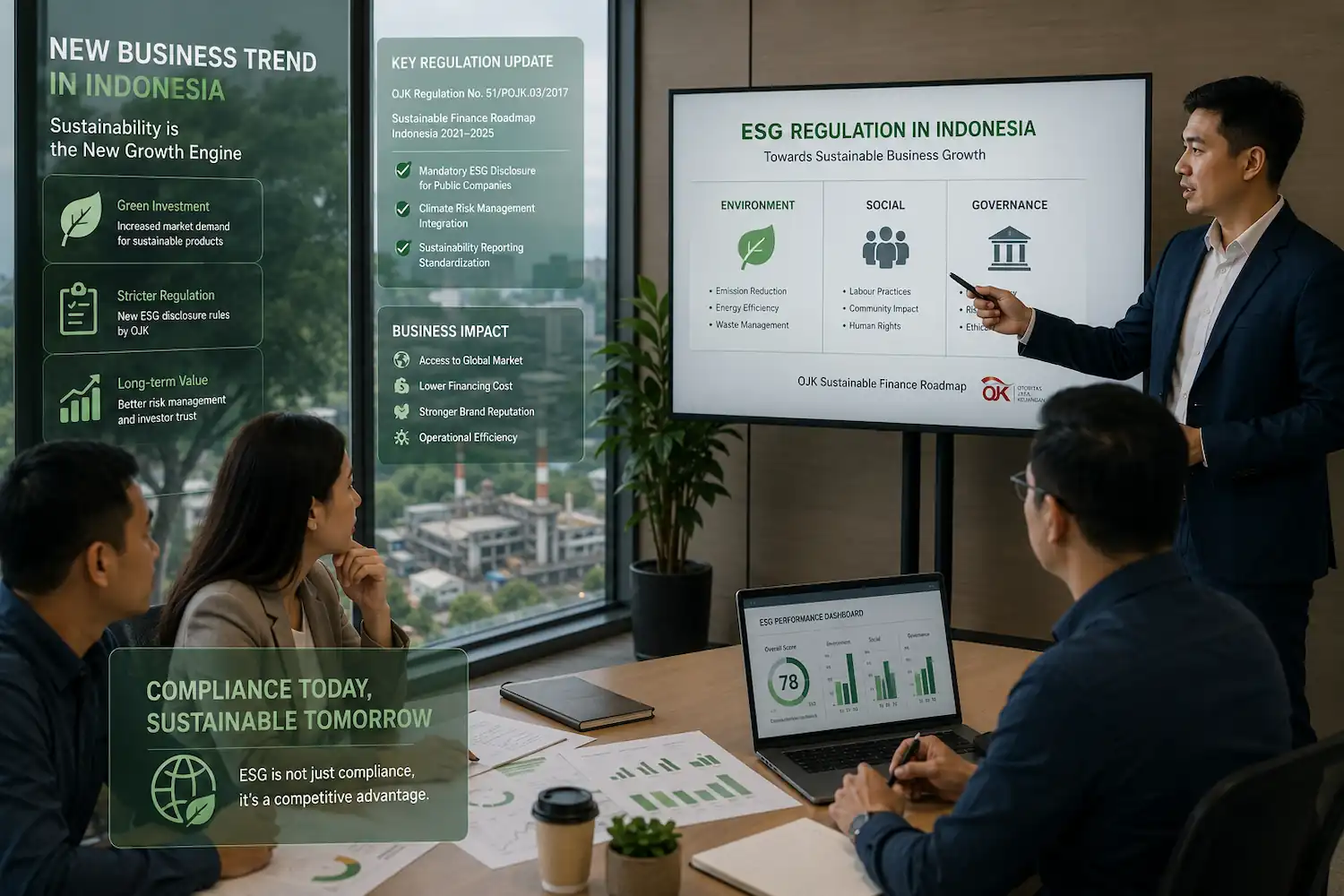
New Business Trends Indonesia: ESG Mandates
Green regulations are no longer an optional checklist. Learn how new sustainable investment rules are reshaping the Indonesian enterprise landscape today.

Business
5.75% Rate: Navigating Indonesia Business Trends 2026
With the BI Rate reaching 5.75% and Q1 GDP growth tracking at 5,61%, discover how to anchor your business ecosystem against economic shifts.

Business
Business Automation Strategy
How a local brand’s automation failure reveals the urgent need for custom digital solutions in Indonesia’s evolving market.

Business
Business Survival Strategy 2026: Macro Storms
With the Rupiah crossing Rp 18,000 and the tech winter lingering, Indonesian enterprises must pivot from growth at all costs to deep operational efficiency.

Business
Shifting Consumer Behavior Patterns
Indonesia's economy grew by 5.61% in Q1-2026. However, BPS data reveals a major pivot: consumers are chasing shared experiences over physical accumulation.

Business
Operational Synergy: Integrating Core Sectors to Strengthen Indonesian Corporate Resilience
Facing global market volatility, a single revenue stream is no longer safe. Discover how merging food assets, creative tech, and financial hedging secures longevity.

Business
Rupiah Depreciation Business Impact 2026: Real Sector Resilience
Rupiah Exchange Rate in May 2026, Manufacturing Layoffs, BI Rate Increase, Company Operational Efficiency, Business Risk Mitigation.

Business
Business System Automation 2026: The Key to Efficiency in an Expansive Economic Era
Indonesia's economy grew by 5.61% in Q1-2026. Discover why automating business systems is a mandatory corporate strategy to eliminate margin leaks this year.

Business
Connecting the Dots: Strategies for Building a Modern Business Ecosystem
Facing 2026’s market demands, integrating digital systems and AI is the ultimate key to operational efficiency. Learn how to build a highly adaptive modern business ecosystem here.