
The evolution of Artificial Intelligence has officially transcended the boundaries of simple prompt-based content generation. Entering mid-2026, the Indonesian professional landscape is rapidly adopting Agentic AI—highly autonomous systems capable of executing complex workflows without constant human supervision. This paradigm shift fundamentally redefines digital business competition, prompting forward-thinking enterprises to overhaul their application ecosystems to secure structural market advantages.
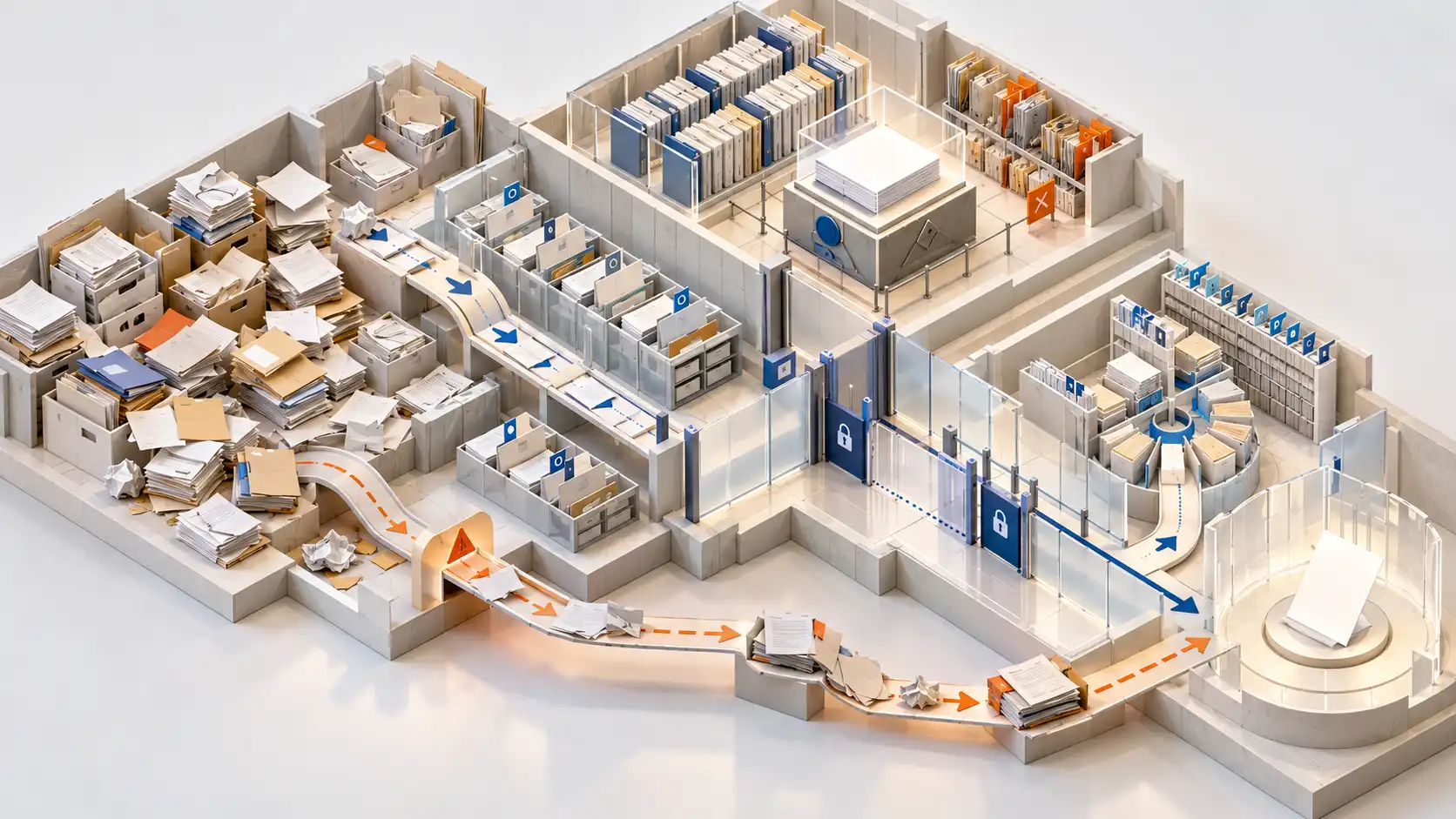
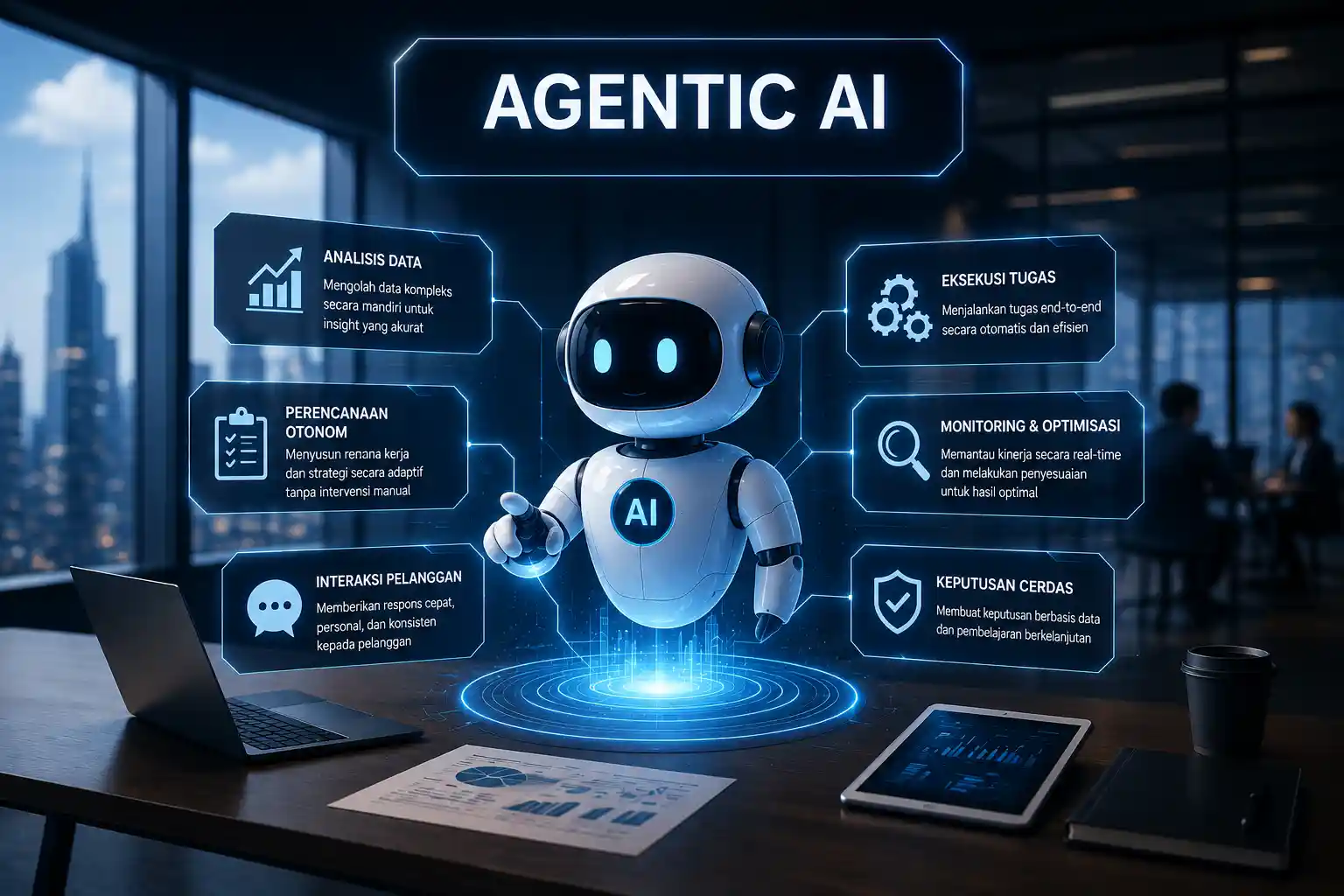
What is Agentic AI and How Does it Differ From Legacy AI? Legacy artificial intelligence tools are primarily reactive, requiring step-by-step human prompts to generate isolated outputs. Conversely, Agentic AI operates as a goal-oriented digital workforce; when given an overarching business objective, it independently plans execution pathways, calls relevant third-party APIs, troubleshoots unexpected errors, and coordinates multi-platform tasks.
According to global technology playbooks for 2026, agentic networks combine deep enterprise AI with advanced high-performance computing to interpret market changes instantly. On the operational front, these systems autonomously re-route supply chains, flag financial anomalies, and drive hyper-personalized customer experiences around the clock.
Driving Unprecedented Efficiency Across Application Systems The integration of autonomous agency into corporate infrastructure provides immediate improvements in operational cost structures. Instead of juggling fragmented software, businesses are centralizing operations within a cohesive digital ecosystem orchestrated by AI agents.
- Real-Time Strategic Adjustments: AI models process streaming live analytics to calibrate logistics and dynamic pricing strategies instantaneously.
- Elimination of Administrative Friction: Monotonous workflows across agency management systems, retail inventory tracking, and ledger balancing are fully automated.
- Seamless Operational Scalability: Agent-driven corporate apps can seamlessly digest sudden transactional surges or customer inquiries without degrading user satisfaction metrics.
FAQ (Frequently Asked Questions)
- Q: Will Agentic AI completely replace corporate human capital by the end of 2026?
- A: No. Current 2026 industrial frameworks prioritize a man-machine partnership. AI automates data-heavy workflows, allowing human personnel to specialize in strategic positioning, emotional intelligence, and ethical oversight.
- Q: What are the key architectural risks associated with autonomous systems?
- A: Data privacy leaks and digital provenance issues remain paramount. Consequently, deployment protocols must be backed by modern Preemptive Cybersecurity standards.
Conclusion The commercial rise of Agentic AI in 2026 reaffirms that digital infrastructure is the primary determinant of long-term business resilience. Enterprises that rapidly deploy autonomous agency into their core software ecosystems will capture superior cost-efficiencies and analytical precision. As your dedicated digital transformation partner, Gaticorp Content Intelligence stands ready to help your enterprise architect, build, and optimize next-generation AI-driven application ecosystems. Contact the Gaticorp engineering advisory team today to future-proof your digital operations.
- Zoom Leadership Insights 2026: https://www.zoom.com/id/blog/ai-technology-trends-2026/
- Technology Trend Report 2026: https://ilogo.co.id/7-tren-teknologi-yang-akan-merevolusi-industri-di-tahun-2026/
Published: May 29, 2026