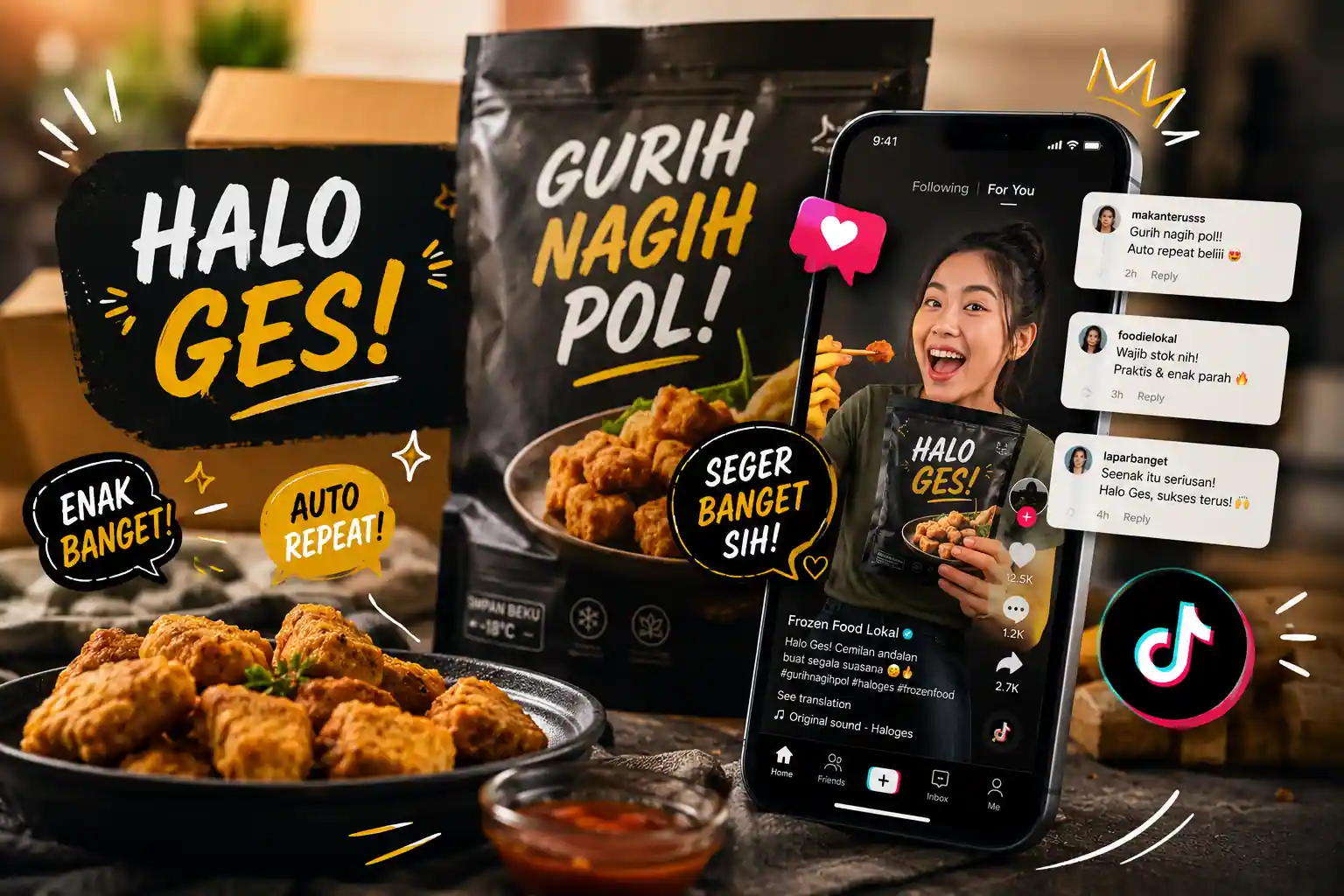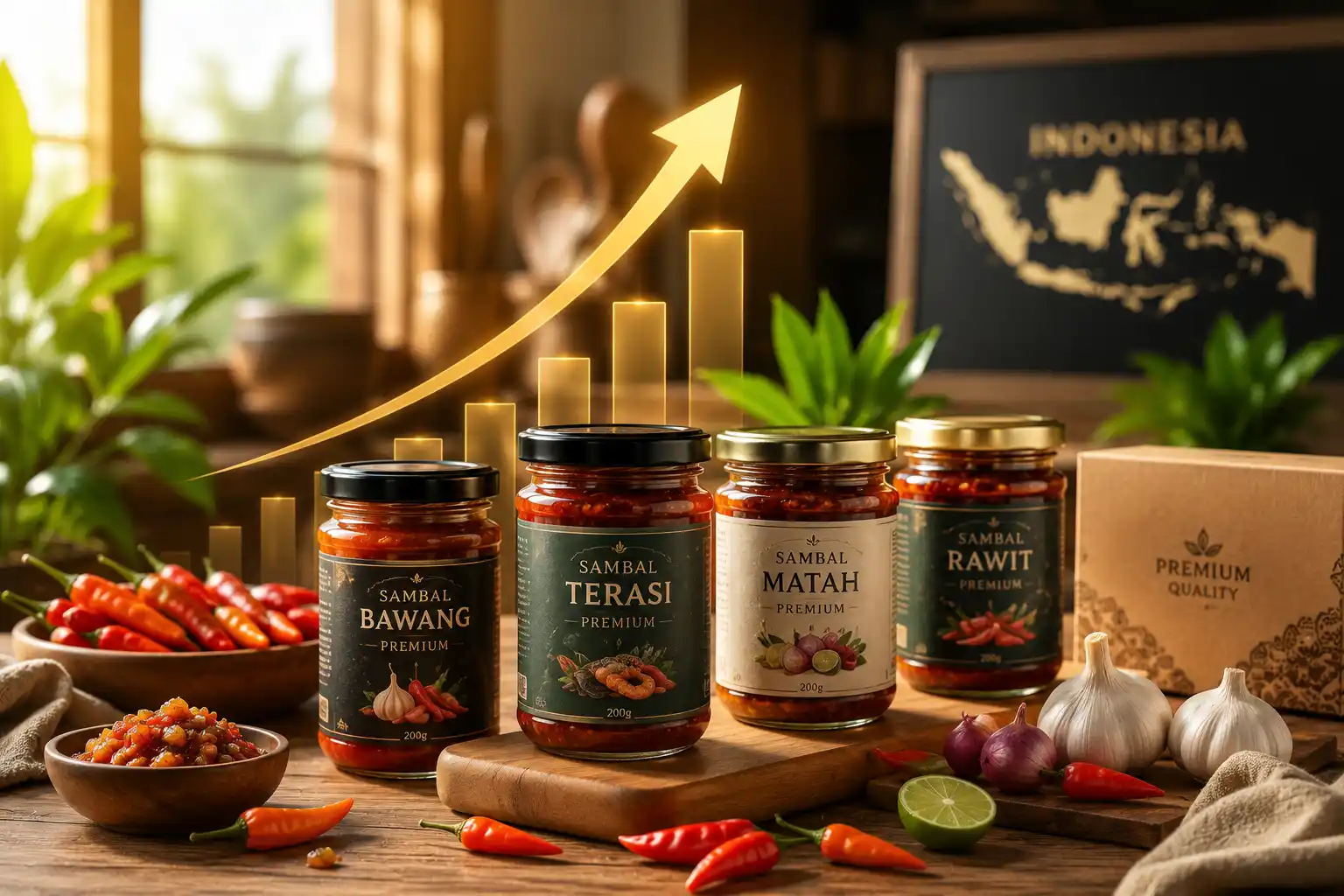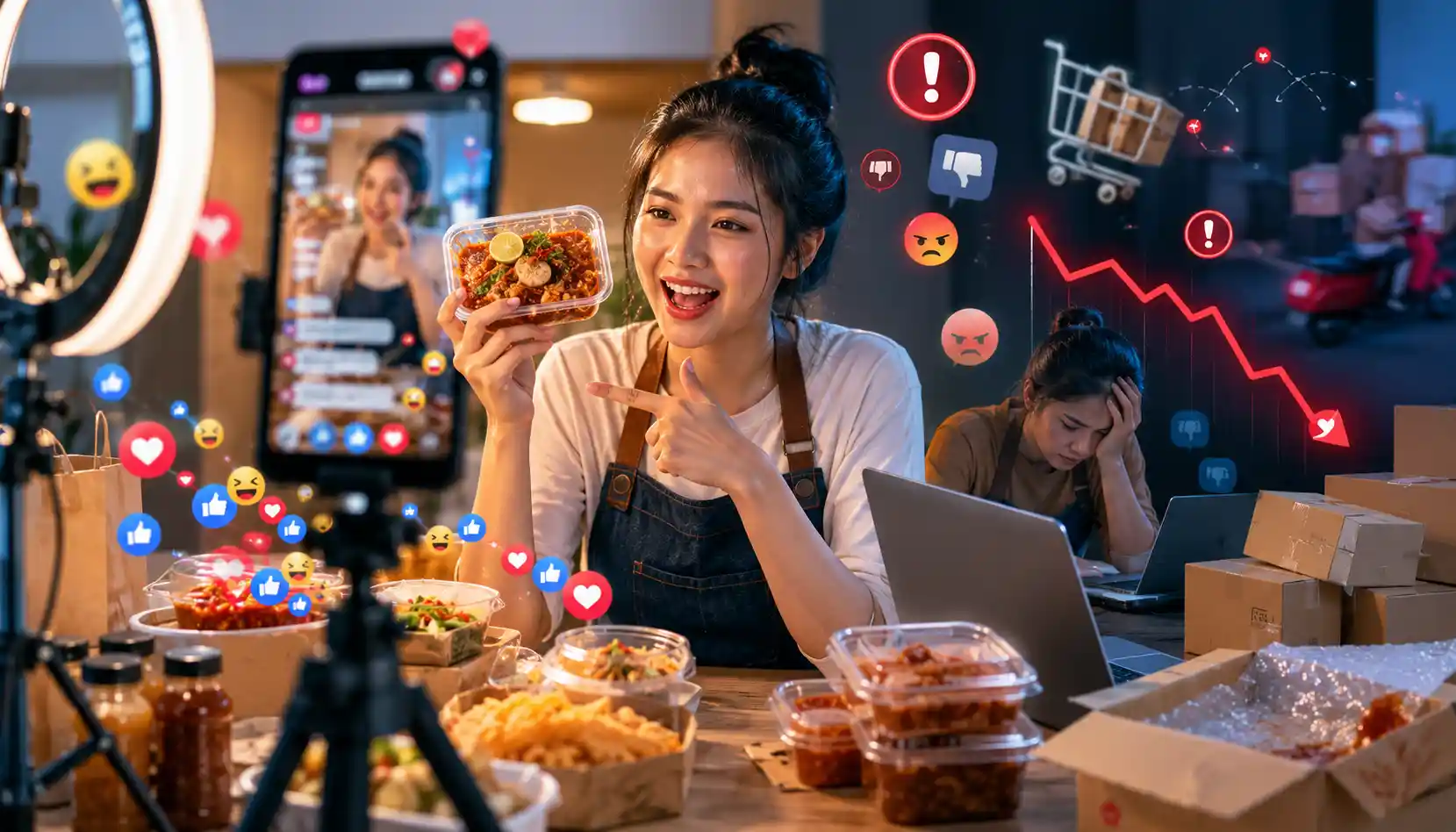

When a local premium frozen food brand suddenly goes viral on TikTok and captures tens of thousands of orders within hours, the public views it as instant success. Screen displays show sales numbers climbing relentlessly. However, behind the celebratory atmosphere of the broadcasting room, a terrifying operational reality looms large.
Two weeks after the live broadcast, the comment sections transform into arenas of public frustration. Consumers complain about broken frozen packaging, melted products during transit, and sudden unilateral cancellations. This real-world case serves as a harsh wake-up call for the modern business ecosystem in Indonesia.
Case Background: The Live Commerce Surge
This phenomenon is no anomaly. According to a Nielsen Media Indonesia report (2025), 83% of active digital consumers in the country now utilize live shopping platforms before completing a purchase. The culinary industry has aggressively seized this opportunity. Ready-to-eat products and fish- or meat-based premium frozen foods compete fiercely for public attention through flash sales and real-time interaction.
The core issue lies in the mismatch of speed: digital marketing channels move at lightning velocity, while physical kitchen capacity and logistics often crawl behind. Selling F&B products digitally carries significantly higher risks than selling apparel or cosmetics. Freshness, expiration windows, and strict hygienic regulations are entirely non-negotiable.
What Actually Happened: A Supply Chain Analysis
Why do sudden order spikes paralyze a business? According to data from the Ministry of Cooperatives and MSMEs (2025), 73% of local culinary businesses fail to maintain stable operations when orders surge beyond 300% of their daily capacity.
The root cause stems from manual inventory management. When live selling systems open endless digital order gates, real-time stock numbers in the freezing facilities fail to sync automatically. This disconnect results in massive overselling. Consequently, the delivered goods are produced in a rush, completely compromising sanitization standards and the rapid freezing process essential to preserving authentic flavors.
Key Factors Determining Business Ecosystem Success
Through close observation of this market shift, three critical elements must be aligned to prevent digital popularity from backfiring on brand reputation:
1. Adaptive Digital Infrastructure
Ditch manual tracking entirely. Businesses require robust data tools capable of updating stock levels in real time across all sales channels. Once a safe stock limit is reached, the system must automatically freeze incoming orders on the live streaming application.
2. Transparent Visual Communication Narratives
The creative studio orchestrating the broadcast bears the responsibility of managing realistic consumer expectations. A strong visual identity is not merely about aesthetics; it must clearly communicate product value, consumption instructions, and accurate delivery timelines to the audience.
3. Standardized Hygienic Production
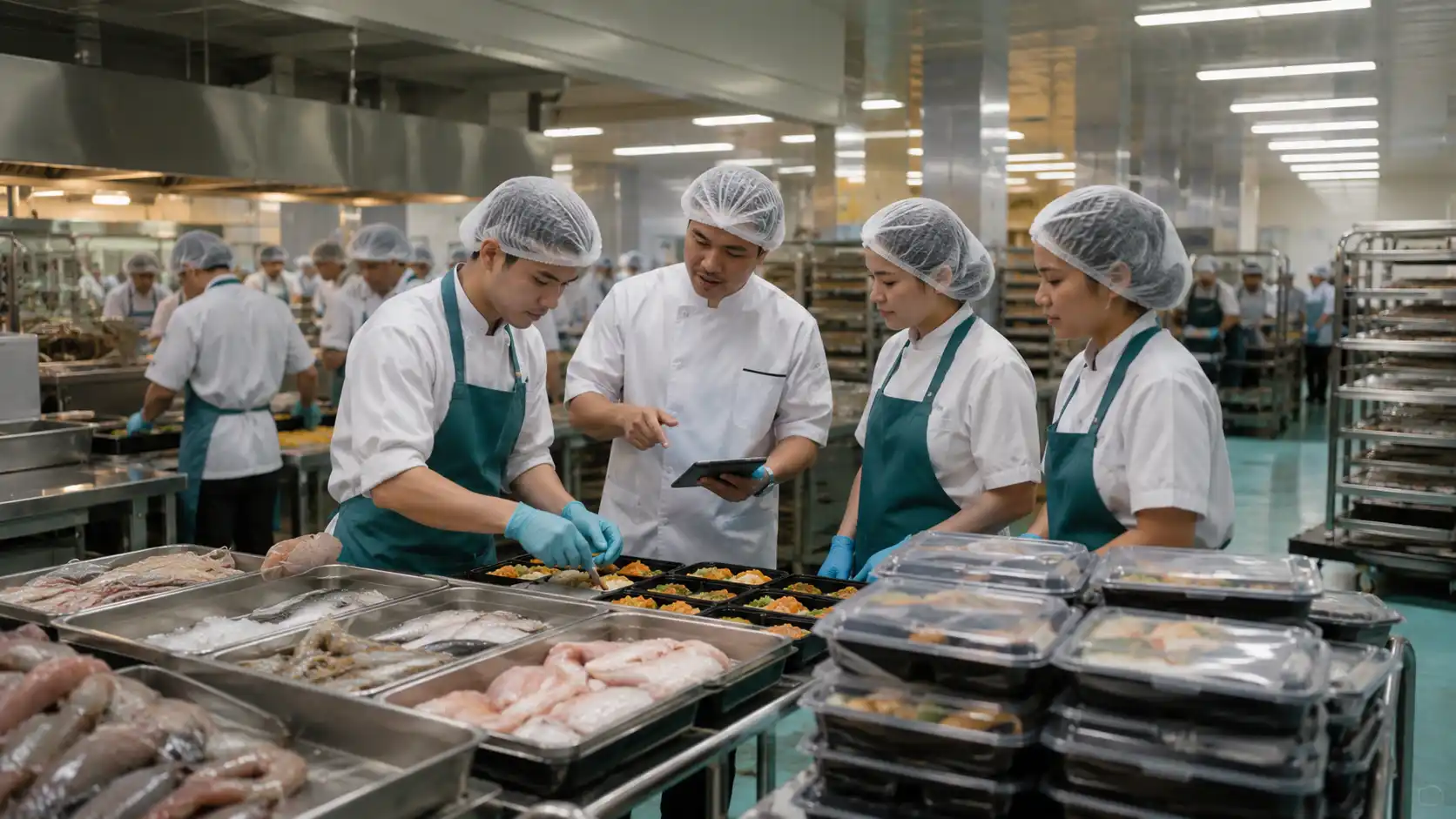
Consistent taste is the ultimate anchor. Scalability in premium frozen food production must be supported by reliable freezing technology and strict sanitary standard operating procedures. The product quality arriving at the furthest consumer's doorstep must perfectly replicate the sample tested in the production lab.
Crucial Lessons for Indonesian Culinary Entrepreneurs
This case demonstrates that popularity without operational readiness is a shortcut to brand failure. Based on market research by Statista (2025), the market value of the F&B e-commerce sector in Indonesia is projected to hit USD 4.1 billion. This immense potential is far too valuable to be sacrificed for short-lived digital hype.
Business owners must build balanced internal capabilities. Budgets should be invested not only in digital marketing campaigns but also in reinforcing cold chain logistics tracking systems and securing business assets against sudden operational disruptions.
FAQ (Frequently Asked Questions)
Is it safe to sell frozen food products through live selling broadcasts?
Yes, provided that logistics management utilizes a proper cold chain system and the delivery radius is strictly limited to match the product's shelf-life outside a freezer.
How can a business prevent overselling during live commerce events?
Implement an integrated digital management tool that automatically locks sales quotas based on the actual physical capacity of your warehouse.
Why does live broadcast visual quality affect culinary buyer retention?
Professional visuals, natural lighting, and hygienic product presentations build immediate consumer trust, signaling that the products are made with earnest precision and corporate responsibility.
Building a Resilient Future for the Food Industry
Virality is an accelerator, not a foundation. Businesses that achieve resilient responsibility and create broad impacts are those that prioritize quality in every operational detail. Before hitting the "Go Live" button, ensure your entire business chain from upstream to downstream stands firmly prepared to honor consumer trust.
SOURCES
- Katadata (2025) - Analysis of Food Sector E-Commerce Growth in Indonesia 2025. Accessed on June 22, 2026.
- Nielsen Media Indonesia (2025) - Digital Consumer Behavior Survey and Live Shopping Trends. Accessed on June 22, 2026.
- Ministry of Cooperatives and MSMEs (2025) - Logistics and Supply Chain Readiness Report for Culinary Micro Enterprises. Accessed on June 22, 2026.
- Statista (2025) - Food and Beverage E-commerce Market Forecast in Indonesia. Accessed on June 22, 2026.
Published: June 22, 2026
Source and editorial notes are managed through GATICORP CMS.