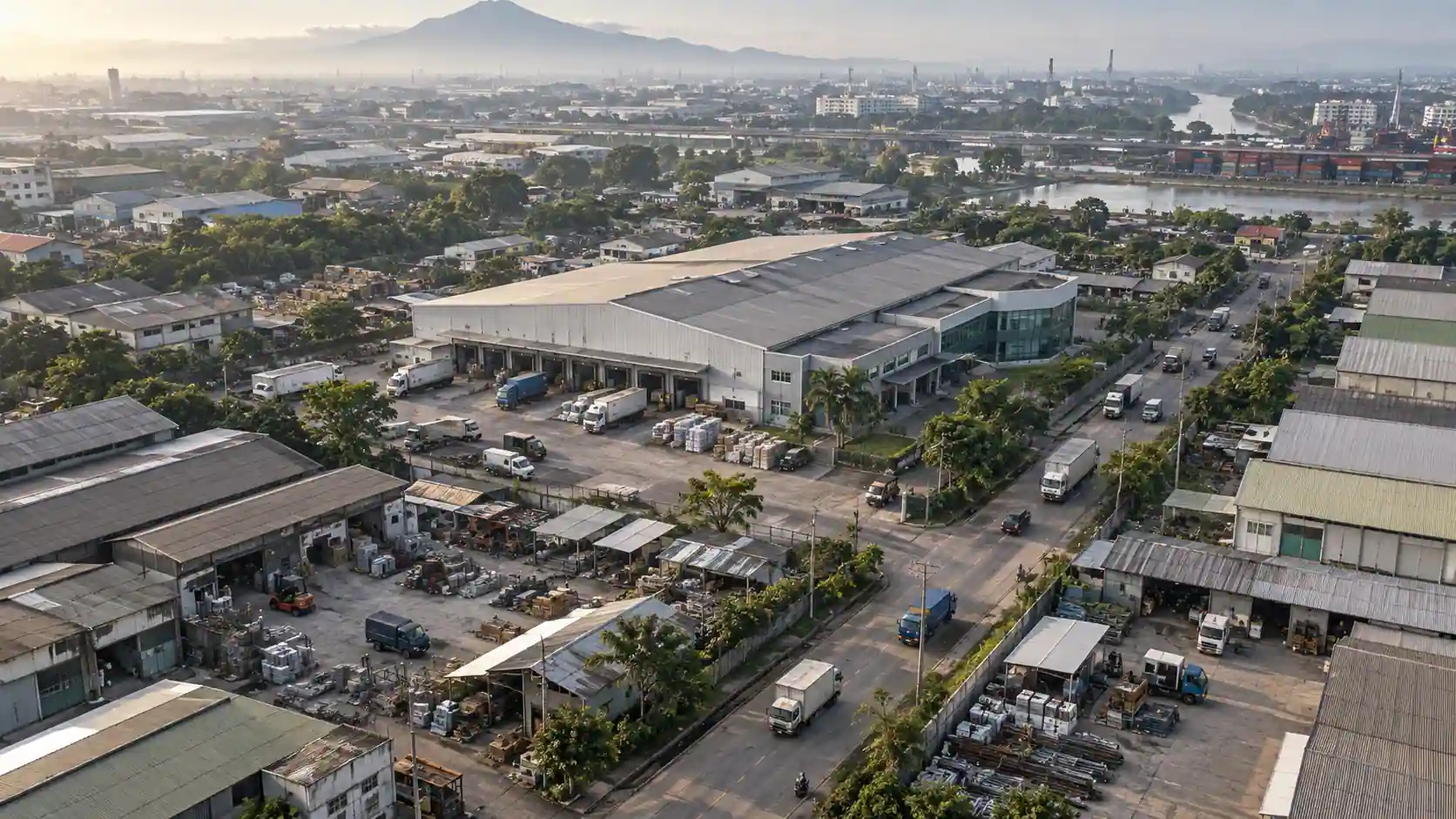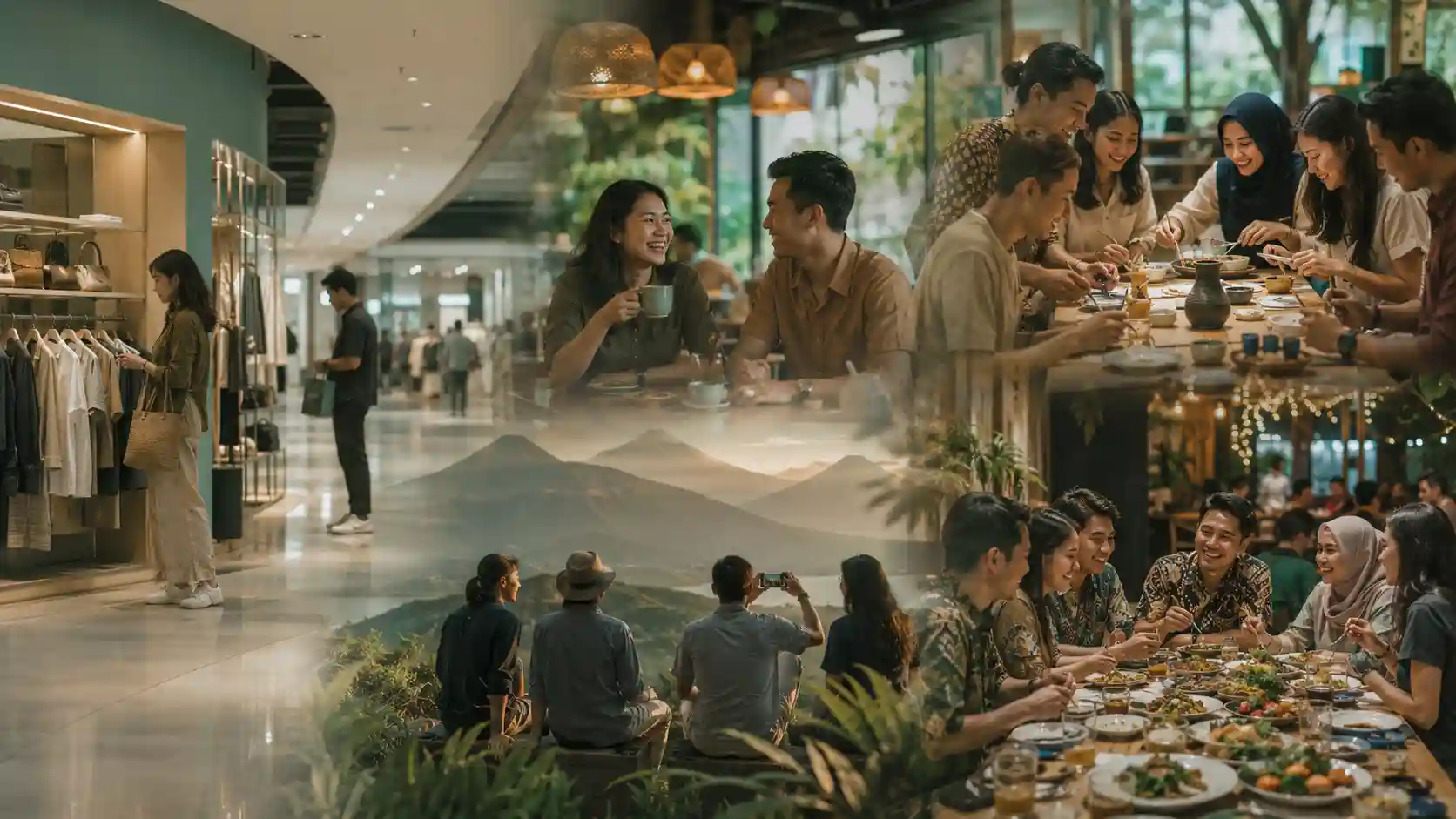

68% of the Indonesian population is currently dominated by a combination of Millennials, Gen Z, and post-Gen Z. This demographic breakdown released by Statistics Indonesia (BPS) is far from a regular population stat. This specific age structure serves as the primary engine behind a radical shift in how capital circulates within the domestic market today.
Consumers no longer view material ownership as a baseline priority. Buying new clothes or stockpiling physical goods is steadily being replaced by a collective pursuit of memories. There is a massive transformation in how buyers define the inherent value of their discretionary spending.
Decoding the 5.61% Economic Growth
Indonesia’s economy unexpectedly posted solid growth of 5.61% year-on-year in the first quarter of 2026. The BPS report published in May 2026 indicates that the foundational backbone of our gross domestic product (GDP) remains firmly anchored to household consumption.
But make no mistake. This robust expansion is not distributed evenly across conventional retail sectors.
The reality on the ground tells a very different story. Traditional brick-and-mortar clothing stores and wholesale malls report visible drops in foot traffic. Meanwhile, accommodation sectors, air travel, and the culinary industries are struggling to keep pace with soaring demand. This dynamic confirms the arrival of the experience economy. Consumers are increasingly willing to spend heavily on staycations, music concerts, or tracking down authentic culinary brands with compelling narratives.
Elements Driving the Demographic Shift
Why is this shifting consumer behavior pattern occurring on such a massive scale? The answer lies within the core behavioral traits of the digital-native generations dominating the marketplace. These younger market participants demand high utility, convenience, and social recognition derived through shared activities rather than inanimate objects.
This evolution is heavily supported by a mature digital infrastructure. According to official BPS indicators (2026), e-commerce transactions across Indonesia grew rapidly by 27,8% year-on-year.
The seamless integration of digital payment gateways removes transaction friction, making the decision to purchase an instantaneous experience much simpler. Consumers can order premium food options from home or lock down travel itineraries in seconds. This accelerated transaction velocity triggers a rapid drop in consumer loyalty for brands that fail to adapt digitally.
Practical Business Implications
For brand owners and entrepreneurs operating in Indonesia, this new operational landscape demands extreme flexibility. Selling a product purely based on its basic functional attributes is no longer enough to secure market share.
The culinary or F&B sector, for instance, cannot function solely on satisfying hunger. Food items, even premium frozen food varieties, must be presented as part of an authentic lifestyle or ritual at home. Consumers will gladly pay a premium if a brand offers immaculate hygiene standards, a clear product origin story, and flawless digital processing during order placements.
Similarly, the creative sector must recalibrate. Visual communication strategies now need to focus heavily on the emotional responses and interactions a product generates, rather than just displaying static technical specifications.
FAQ
Why are modern consumers prioritizing experiences over physical merchandise?
The clear demographic dominance of Millennials and Gen Z (~68%) shifts baseline consumption values. They place a significantly higher premium on experiences, mobility, and content creation stemming from live actions over material accumulation.
How do digital payment methods impact shifting consumer behavior patterns?
The extreme ease of digital transactions—which surged by 27.8% year-on-year according to BPS data—eliminates psychological barriers to spending, driving sharp increases in app-based service and culinary purchases.
What immediate actions should local MSMEs take to align with this economic shift?
MSMEs must integrate experiential elements into their standard offerings. This includes creating interactive packaging, building clear brand storytelling, and ensuring fast, dependable digital client interfaces.
Strategic Path Forward
The market baseline has shifted permanently. The next logical step for business leaders is not to lament lower transaction volumes in traditional product retail, but to re-engineer how their current catalog is experienced. The brands that survive will be the ones capable of transforming physical items into a portfolio of highly customized digital and personal experiences tailored for modern Indonesian consumers.
- Kompas.com. (2026). Bukan Baju Baru, BPS Sebut Saat Ini Masyarakat Lebih Pilih Pengalaman. Retrieved June 2, 2026, from [https://travel.kompas.com/read/2026/05/27/080235727/bukan-baju-baru-bps-sebut-saat-ini-masyarakat-lebih-pilih-pengalaman](https://travel.kompas.com/read/2026/05/27/080235727/bukan-baju-baru-bps-sebut-saat-ini-masyarakat-lebih-pilih-pengalaman)
- CNN Indonesia. (2026). Konsumsi Rumah Tangga Topang Ekonomi RI Tumbuh 5,61% Triwulan I-2026. Retrieved June 2, 2026, from [https://www.cnnindonesia.com/ekonomi/20260506125243-537-1355694/konsumsi-rumah-tangga-topang-ekonomi-ri-tumbuh-561-triwulan-i-2026](https://www.cnnindonesia.com/ekonomi/20260506125243-537-1355694/konsumsi-rumah-tangga-topang-ekonomi-ri-tumbuh-561-triwulan-i-2026)
- Suara Surabaya. (2026). BPS Mencatat Pertumbuhan Ekonomi Triwulan 1 2026 Mencapai 5.61 Persen Lebih Tinggi Dari Tiongkok. Retrieved June 2, 2026, from [https://www.suarasurabaya.net/ekonomibisnis/2026/bps-mencatat-pertumbuhan-ekonomi-triwulan-1-2026-mencapai-5-61-persen-lebih-tinggi-dari-tiongkok/](https://www.suarasurabaya.net/ekonomibisnis/2026/bps-mencatat-pertumbuhan-ekonomi-triwulan-1-2026-mencapai-5-61-persen-lebih-tinggi-dari-tiongkok/)
Published: June 2, 2026