
The 6% growth target is one of the most consequential numbers in Indonesia’s proposed 2027 budget.
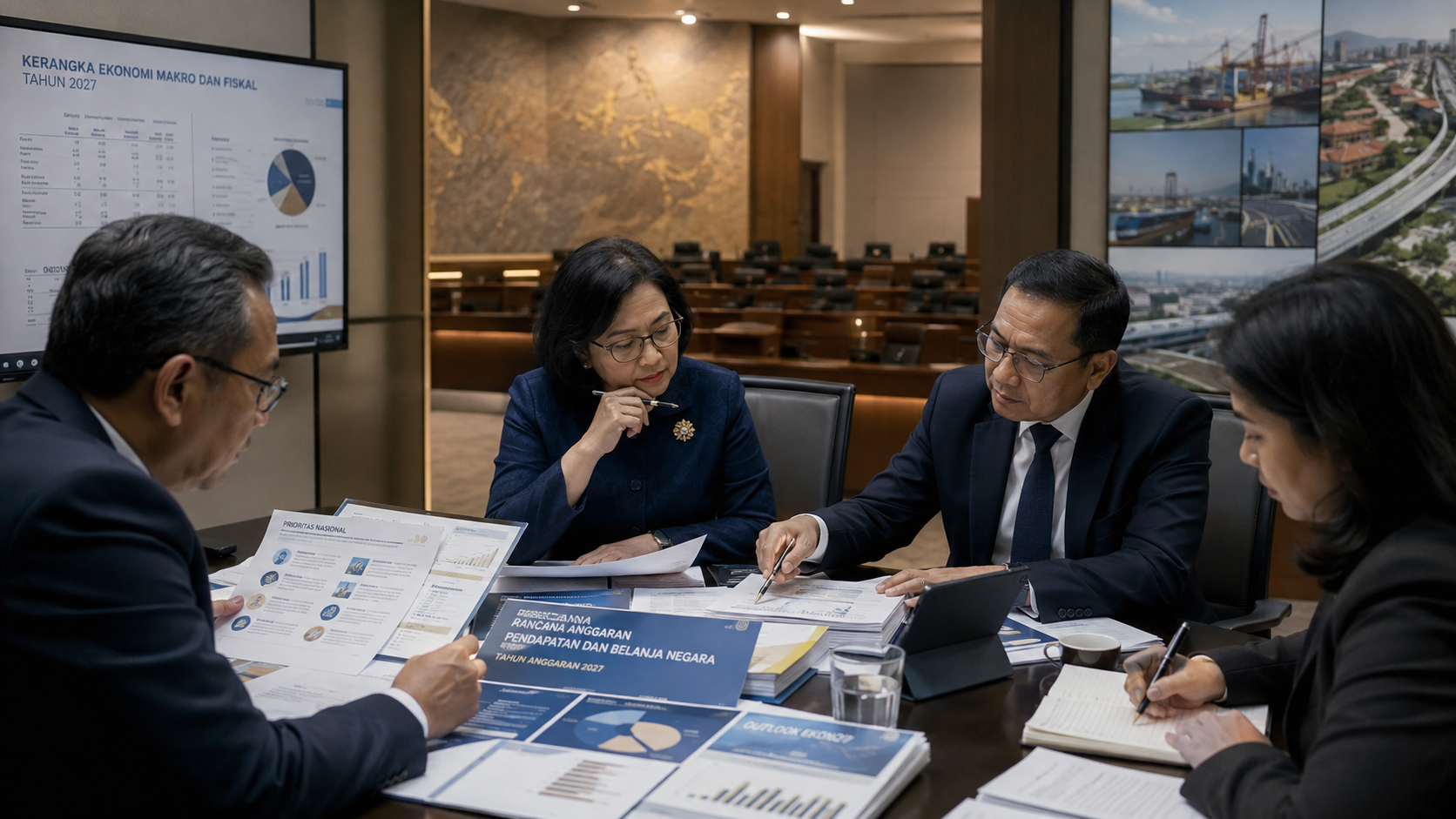
The government has proposed Rp4,097.2 trillion in spending, Rp3,426 trillion in revenue and a fiscal deficit equivalent to 2.4% of GDP.[1]
For businesses, however, the important question is not whether 6% sounds optimistic.
It is what has to move for that growth to materialise.
Reaching 6% requires genuine acceleration
Indonesia grew 5.11% in 2025. Momentum strengthened in early 2026, with GDP expanding 5.61% year on year in the first quarter and roughly 5.3% in the second.[1][6]
The 6% target is therefore not a leap from stagnation. But adding close to a percentage point of growth to an economy of Indonesia’s scale still requires meaningful change.
The World Bank currently projects growth of around 5.2% in 2027–28, while the IMF’s latest Article IV baseline puts 2027 at 5.1%.[4][5]
That does not prove the government is too optimistic. Forecasts use different assumptions and can change.
It does show that 6% requires more than business as usual.
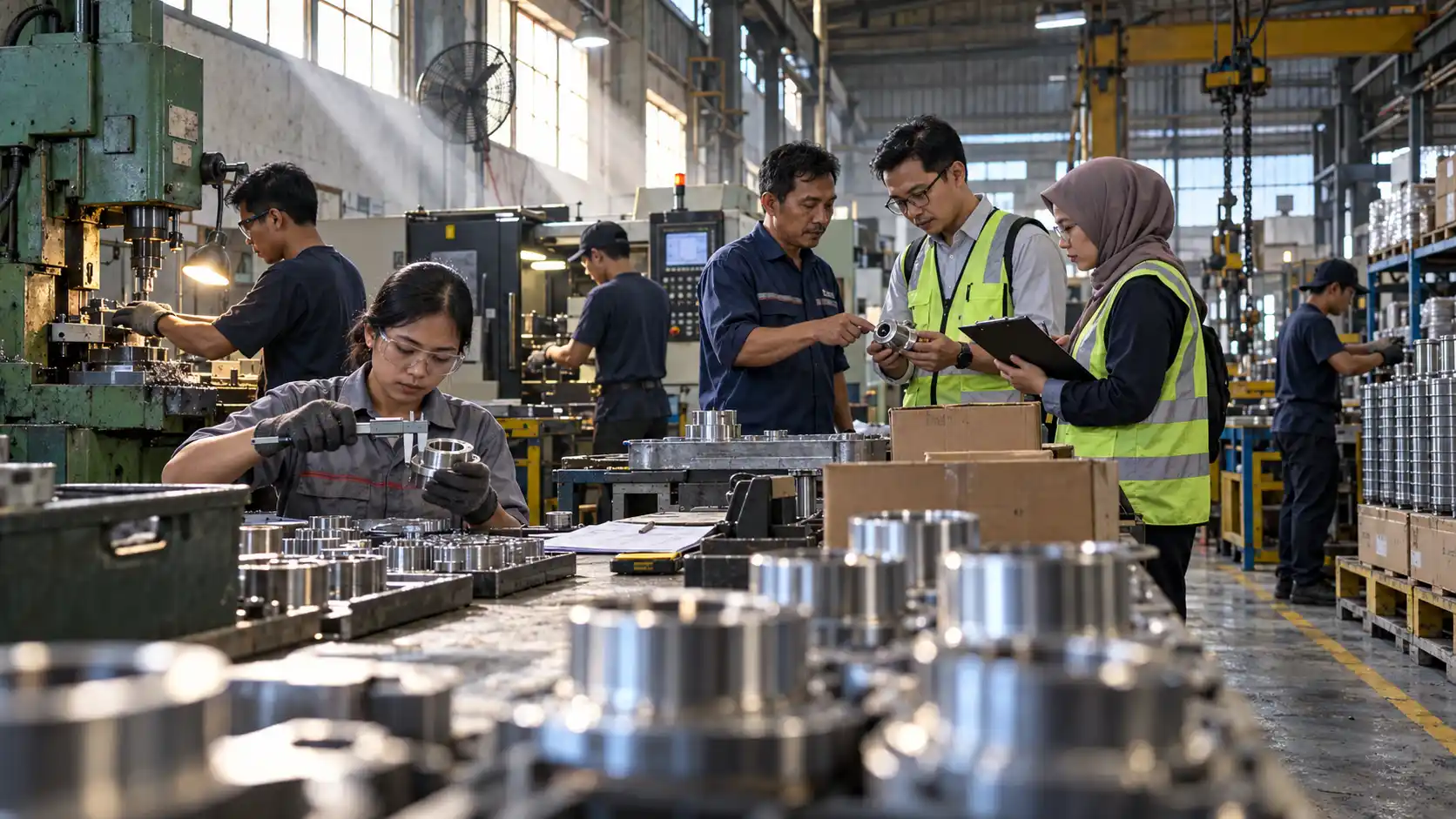
Investment must become productive capacity
During the budget preparation process, the government identified household consumption, investment, improvements in the business climate, industrial development and structural transformation as key growth drivers.[2]
For companies, this matters more than the headline growth number.
Investment creates durable growth when it produces productive capacity: factories with healthy utilisation, infrastructure that reduces logistics costs, technology that raises output, or new businesses supported by real demand.
Capital expenditure without sufficient demand can instead produce idle capacity.
Management should therefore watch not only investment-realisation figures but also productivity, orders, utilisation, return on capital and demand quality.
Rp4,097 trillion of spending needs a multiplier
The proposed budget contains Rp4,097.2 trillion in government spending, around 3.9% above projected 2026 expenditure.[1] Priorities include food and energy security, industrial development, education and other national programmes.
Government expenditure can create business demand across construction, logistics, food, healthcare, technology, education and supporting supply chains.
But spending alone does not guarantee a strong economic multiplier.
Execution matters: how quickly funds are deployed, how much domestic value is created, whether projects raise productivity, and whether government expenditure encourages private investment rather than merely replacing it.
A smaller deficit makes execution more important
There is an important tension in the proposal.
Indonesia wants faster growth while targeting a smaller fiscal deficit.
The 2.4% deficit remains below the legal ceiling of 3% of GDP and is consistent with the 1.8–2.4% range discussed earlier by the government and parliament.[2][3]
But tighter fiscal discipline means revenue and spending quality matter even more.
The proposal assumes revenue will increase by around 6.8% from the 2026 estimate, faster than expenditure.[1]
If revenue underperforms, policymakers may face choices between adjusting expenditure, raising financing or accepting a wider deficit.
For businesses, that means the composition and timing of fiscal execution may matter as much as the headline spending figure.
The Rp17,500 exchange-rate assumption matters too
The budget uses an average exchange-rate assumption of around Rp17,500 per US dollar.[1]
For importers, manufacturers dependent on overseas inputs, or companies carrying foreign-currency liabilities, this should not be mistaken for a guaranteed exchange rate.
Companies still need sensitivity tests.
What happens if the rupiah is weaker?
Can higher costs be passed to customers?
Does the margin remain viable?
Should suppliers be diversified or currency exposure hedged?
A national budget can work with a central assumption.
A resilient company needs multiple scenarios.
The 6% target is ultimately an execution test
Indonesia could reach 6% growth if investment, consumption, productivity, industrial activity and government spending strengthen together.
But the result is not predetermined.
For CEOs, CFOs and business owners, the most useful part of the budget is therefore not guessing whether growth eventually reaches 5.2%, 5.7% or 6%.
It is understanding the direction of demand and policy.
Where is new capacity being built?
Which sectors receive investment?
Can consumption remain resilient?
Will financing support expansion?
And is productivity improving alongside spending?
A national growth target becomes a business opportunity only when figures in a fiscal document turn into orders, productive investment and cash flow in the real economy.
- [1] Reuters. Indonesia's Prabowo proposes 'expansive' budget for 2027 with small deficit. 14 August 2026.
- [2] Kementerian Keuangan — DJSEF. Pemerintah dan Banggar DPR Sepakati Arah Kebijakan RAPBN 2027. 29 June 2026.
- [3] Kementerian Keuangan — DJSEF. Pembahasan Awal RAPBN 2027, Pemerintah dan Komisi XI Sepakati Sejumlah Target. 11 June 2026.
- [4] World Bank. Indonesia’s Growth Remains Resilient, but Productivity Reforms Are Key to Creating Jobs and Sustaining Momentum. 13 June 2026.
- [5] IMF. 2025 Article IV Consultation with Indonesia. January 2026.
- [6] BPS. Ekonomi Indonesia Tahun 2025 Tumbuh 5,11 Persen dan rilis pertumbuhan 2026.
- RAPBN 2027 adalah proposal, bukan APBN final.
- Target pertumbuhan 6% dibedakan dari forecast World Bank dan IMF.
- Tidak ada klaim bahwa 6% pasti tercapai atau mustahil tercapai.
- Nilai tukar Rp17.500 adalah asumsi RAPBN, bukan forecast kurs pasti.
- Analisis multiplier, productivity dan sensitivity merupakan interpretasi bisnis GATICORP.
Published: August 17, 2026