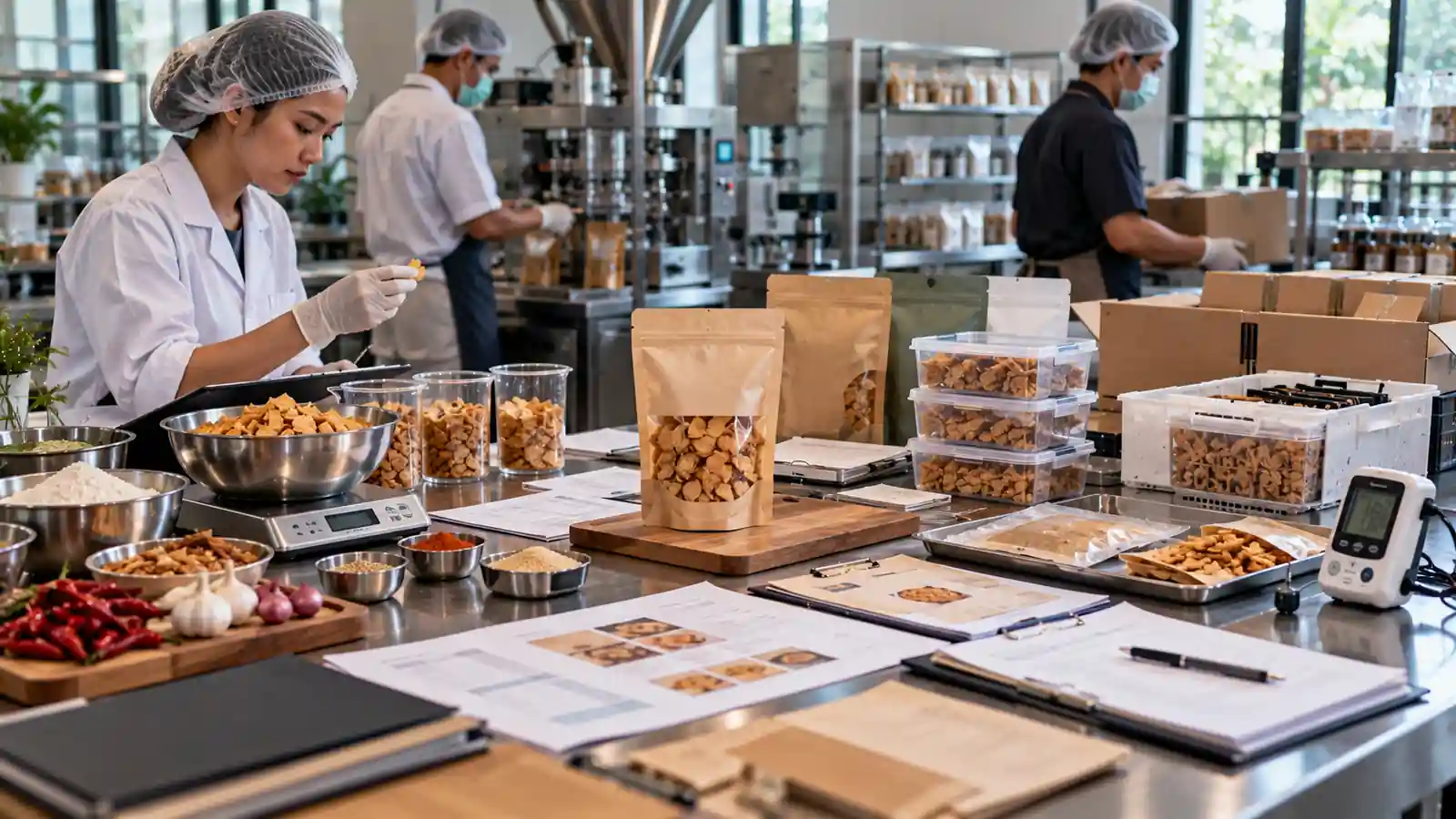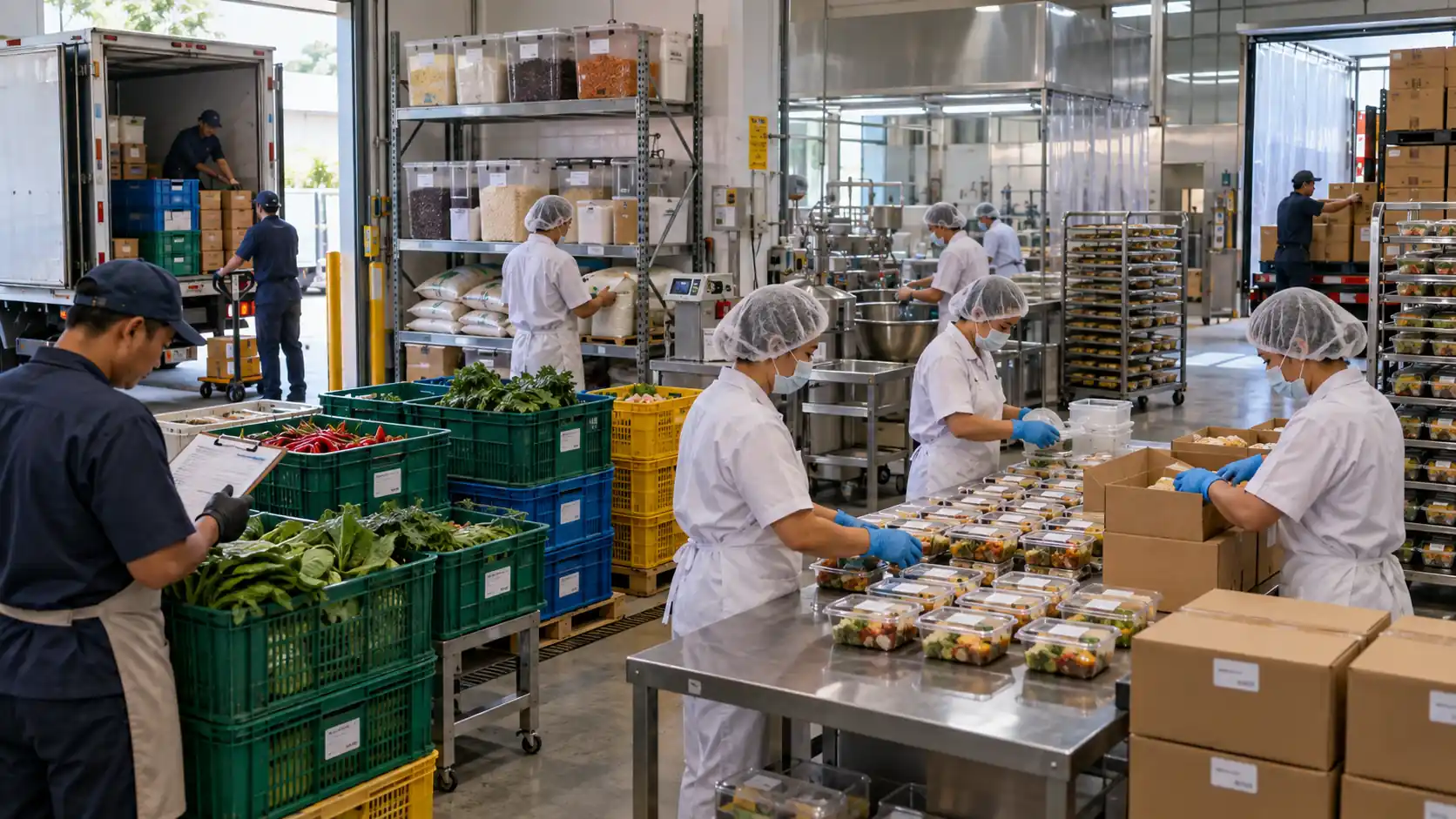

For a food and beverage business, a customer conversation can begin with something very simple: a distinctive taste, a price that feels reasonable, recognizable packaging, or an experience worth telling someone else about.
As consumers face hundreds of food choices within minutes, the ability of a product to become part of everyday conversation matters more. Not because every business needs to go viral, but because customer-to-customer conversation can become one of the most natural forms of reputation distribution.
When Customers Start Talking About a Brand
YouGov data shows that conversations around several consumer brands in Indonesia increased in July 2026. Chitato recorded a 6.1-point increase in its Word of Mouth score, while Mie Sedaap rose 5.0 points and KFC 4.5 points compared with the previous month.
These figures do not mean that every conversation was positive. YouGov explicitly defines its Word of Mouth metric as conversations that may be positive, neutral, or negative.
That distinction matters.
A brand being talked about means that something about it has entered the consumer conversation. The strategic question for a business is therefore not simply how many people saw an advertisement, but what made someone feel compelled to tell another person about the brand.
F&B Businesses Sell More Than Products
Food and beverage businesses have a particular advantage: consumers do not simply purchase an item. They experience it.
Taste, aroma, service, atmosphere, portion size, price, packaging, and presentation can all become part of that experience.
A simple experience can therefore become a story.
One customer may mention a dish because it tastes different. Another may recommend a new café because it feels comfortable. Someone else may talk about a packaged food product because its price seems appropriate for the quality.
Not every conversation requires a major campaign.
In many cases, the product itself starts the conversation.
A Market That Still Has Momentum
Indonesia's broader economic picture also provides context for the F&B sector.
Statistics Indonesia reported that Accommodation and Food and Beverage Services grew 11.83% in the first half of 2026, making it one of the fastest-growing business sectors during the period.
Bank Indonesia also estimated that real retail sales would grow 0.9% year-on-year in July 2026, supported in part by higher sales in the Food, Beverages and Tobacco group.
These figures do not mean every F&B operator will grow. They do, however, indicate that the market continues to provide room for businesses to strengthen their relationship with customers.
That is where word of mouth becomes strategically relevant.
Going Viral Is Not the Only Goal
Businesses sometimes treat conversation volume as an end in itself. But virality and brand health are not the same thing.
A product can attract enormous attention for a short period without generating repeat customers.
At the same time, a business that never becomes a viral sensation can build a loyal customer base that consistently recommends it.
Word of mouth should therefore be viewed as part of the customer journey.
The product creates interest. Experience builds satisfaction. Consistency creates trust. And trust makes people more willing to recommend the brand.
What F&B Businesses Can Do
First, understand what customers are actually talking about.
Do not focus only on the number of mentions. Look at the subject of those conversations. Are customers discussing taste, price, service, packaging, location, or something else?
Second, create products that are memorable without becoming excessive. Distinctiveness can come from flavor, presentation, menu naming, packaging, or the overall experience.
Third, connect offline and digital experiences. A customer who enjoys a product in person may share it online. Digital content, in turn, can encourage someone to try the product in the real world.
Fourth, treat negative conversation seriously. Because word of mouth is not always positive, criticism should be viewed as an operational signal, not simply a communications problem.
From Promotion to Reputation
For an F&B business, the ultimate goal is not to make everyone talk about the brand.
It is to give people a meaningful reason to talk about it.
When taste is consistent, the experience is good, the identity is recognizable, and customers feel they receive fair value, conversations can emerge without being purchased entirely through advertising.
That is the difference between simply attracting attention and building a brand.
Over time, customer conversation is more than a promotional mechanism. It can become part of a reputation that continues working even when the campaign has ended.
- Statistics Indonesia (BPS) — Indonesia’s Economy Q2-2026 Grew 5.29 Percent (Y-on-Y), August 5, 2026. Used for sectoral growth data.
- Bank Indonesia — July 2026 Retail Sales Survey: Retail Sales Expected to Increase, August 11, 2026. Used for retail-sales and food/beverage category data.
- YouGov — Indonesia Word of Mouth Risers 2026, August 14, 2026. Used for Word of Mouth scores and methodology.
- YouGov — Indonesia Biggest Brand Movers 2026, August 14, 2026. Used for consumer-perception context.
- YouGov’s Word of Mouth metric measures reported consumer conversation, not sales. The article therefore does not claim that higher Word of Mouth directly causes higher revenue.
Published: August 29, 2026