
World Food Day falls on 16 October 2026 under the theme “Innovate today. Nourish tomorrow.” FAO frames innovation broadly, combining science, data, technology and traditional knowledge to create agrifood systems that are more efficient, inclusive, resilient and sustainable.
For food businesses, that framing matters because innovation is often translated too quickly into a new product.
A new flavour. A new menu item. New packaging. Another SKU.
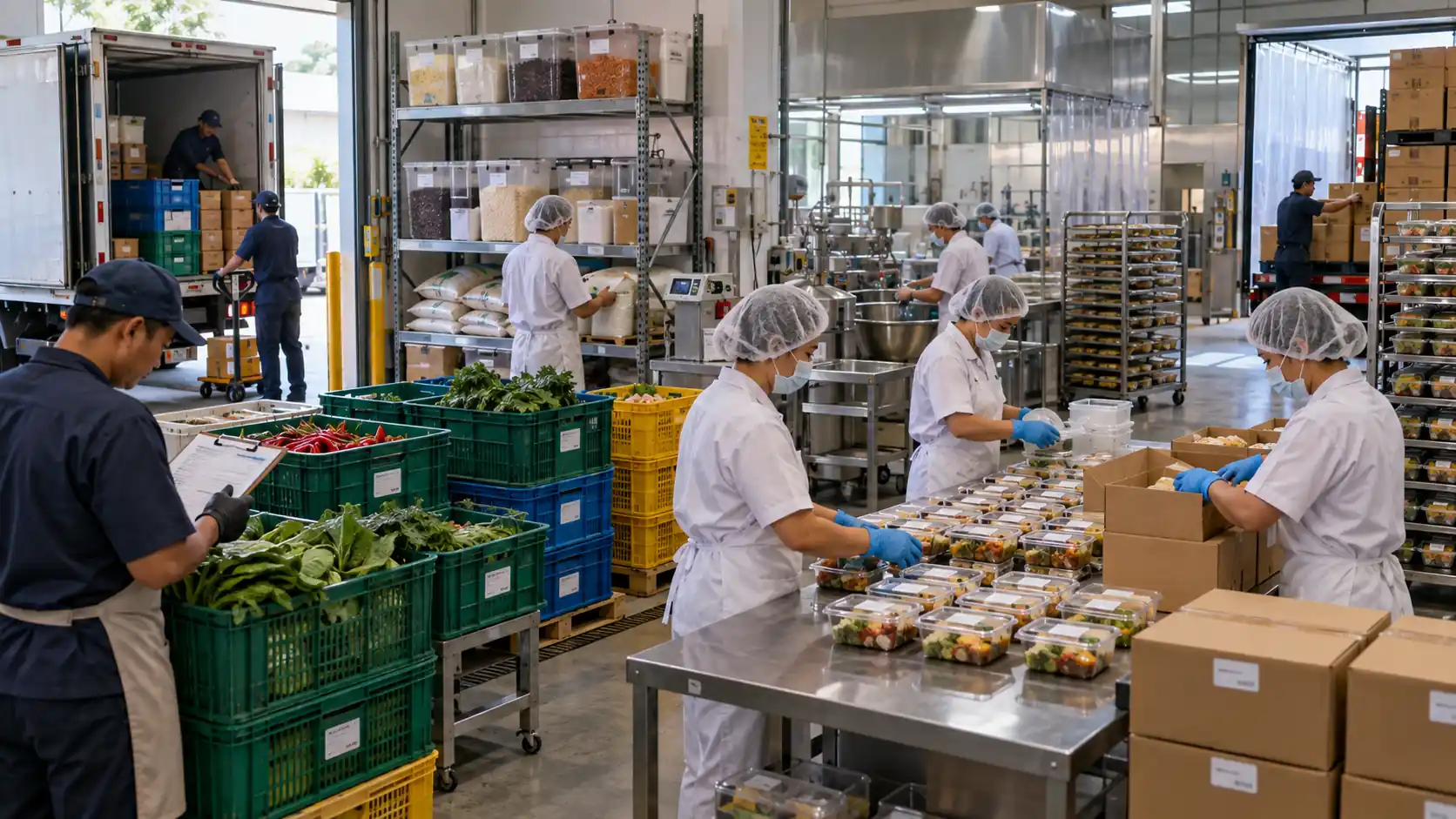
Yet a company's most important problem may not be a shortage of ideas. Raw materials may be inconsistent. Production yield may be poor. Shelf life could be too short. Filling may generate unnecessary losses. Forecasting may be unreliable. Distribution may degrade quality before products reach customers.
In those circumstances, another SKU may not be the most valuable innovation.
Innovation Starts with the Right Problem
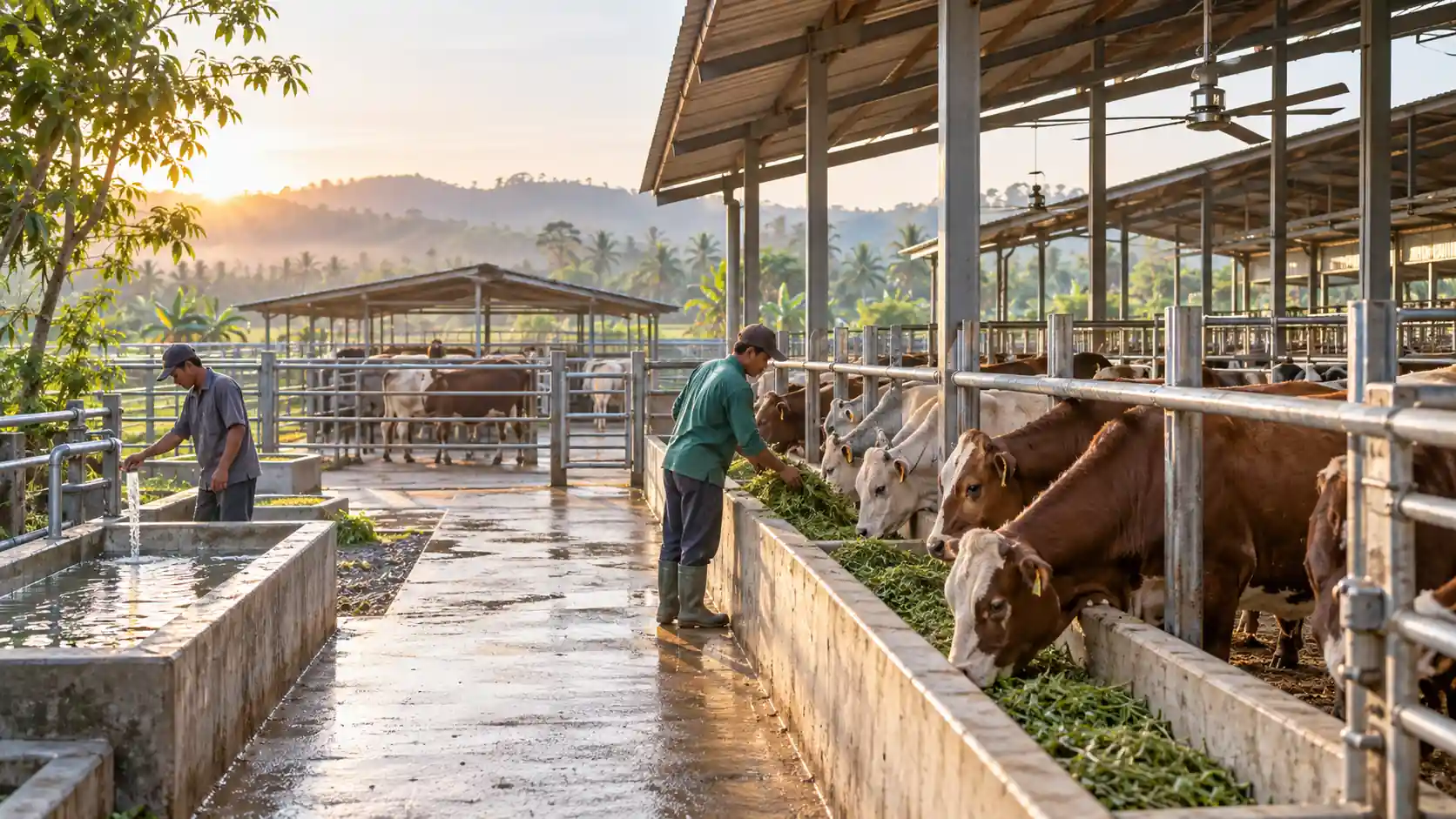
FAO describes agrifood innovation in many forms. It includes digital advisory services, data systems, improved varieties and biotechnology, but also farmer field schools, cooperative models, traditional practices and new approaches to production, markets, finance and distribution.
Innovation therefore does not need to look futuristic.
A food manufacturer that extends shelf life without compromising quality is innovating. So is a business that reduces filling variation, improves forecasting, develops packaging that survives distribution more reliably, or turns a local raw material into a stable intermediate ingredient for other manufacturers.
The starting question should therefore not always be:
“What new product can we create?”
A better question can be:
“Which constraint is limiting value today?”
Indonesia Food Innovation Offers a Useful Clue
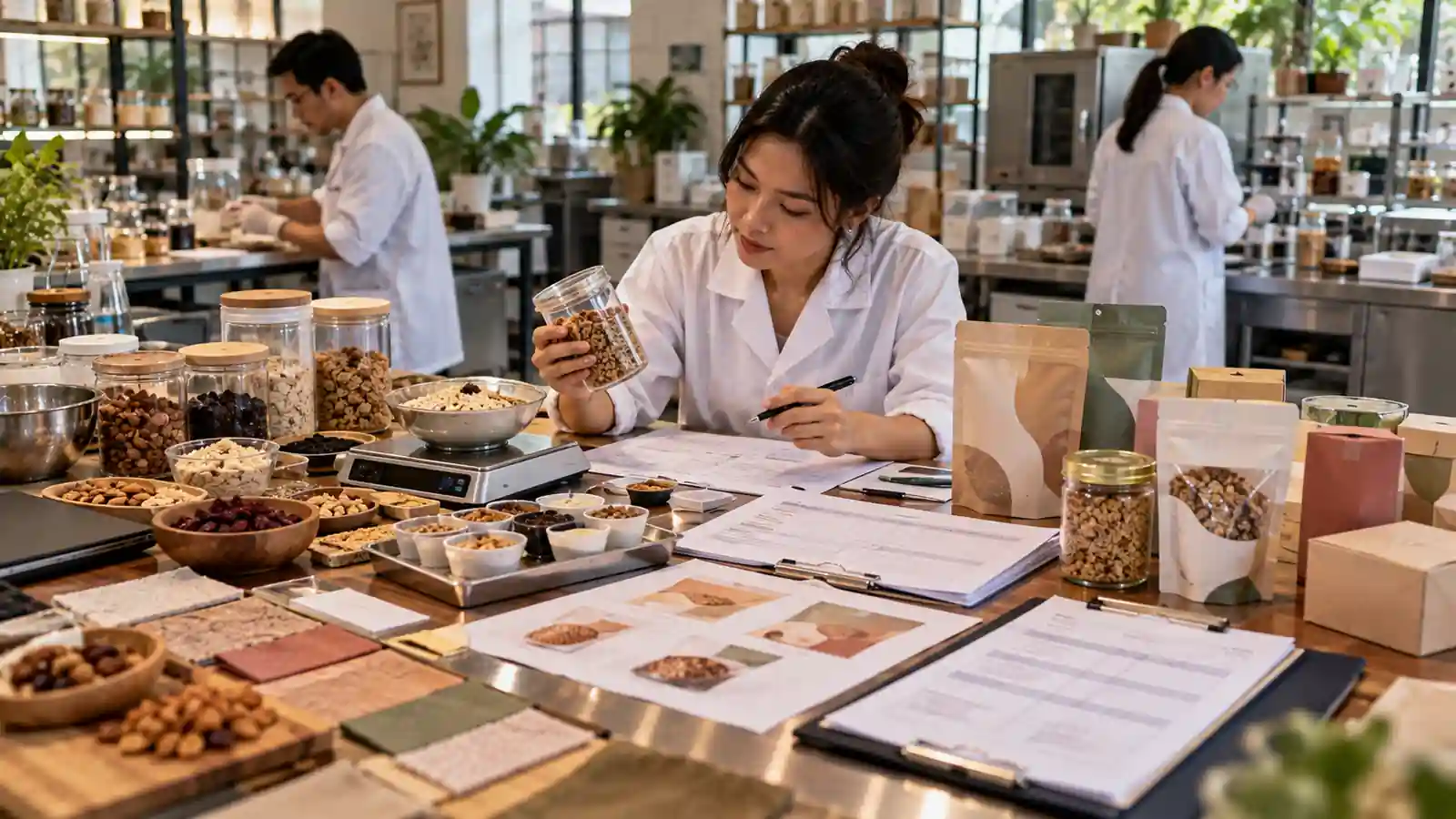
That broader perspective can be seen in Indonesia's Indonesia Food Innovation 2026: Intermediate Product Edition, organised by the Ministry of Industry.
For the first time in 2026, IFI specifically focuses on intermediate products based on local resources. The ministry says these products can increase value creation, extend shelf life, open broader B2B opportunities and provide the foundation for downstream products. More than 2,000 food SMEs have participated in IFI since 2020.
The programme design is especially revealing.
Participants are not only developing formulations. Its Food Camp covers business strategy, risk management, co-manufacturing, financial management, B2B pricing and food safety before participants proceed into a Food Business Scale-Up programme.
Food innovation begins to look less like an isolated R&D activity and more like a business system.
New Products Can Add Complexity
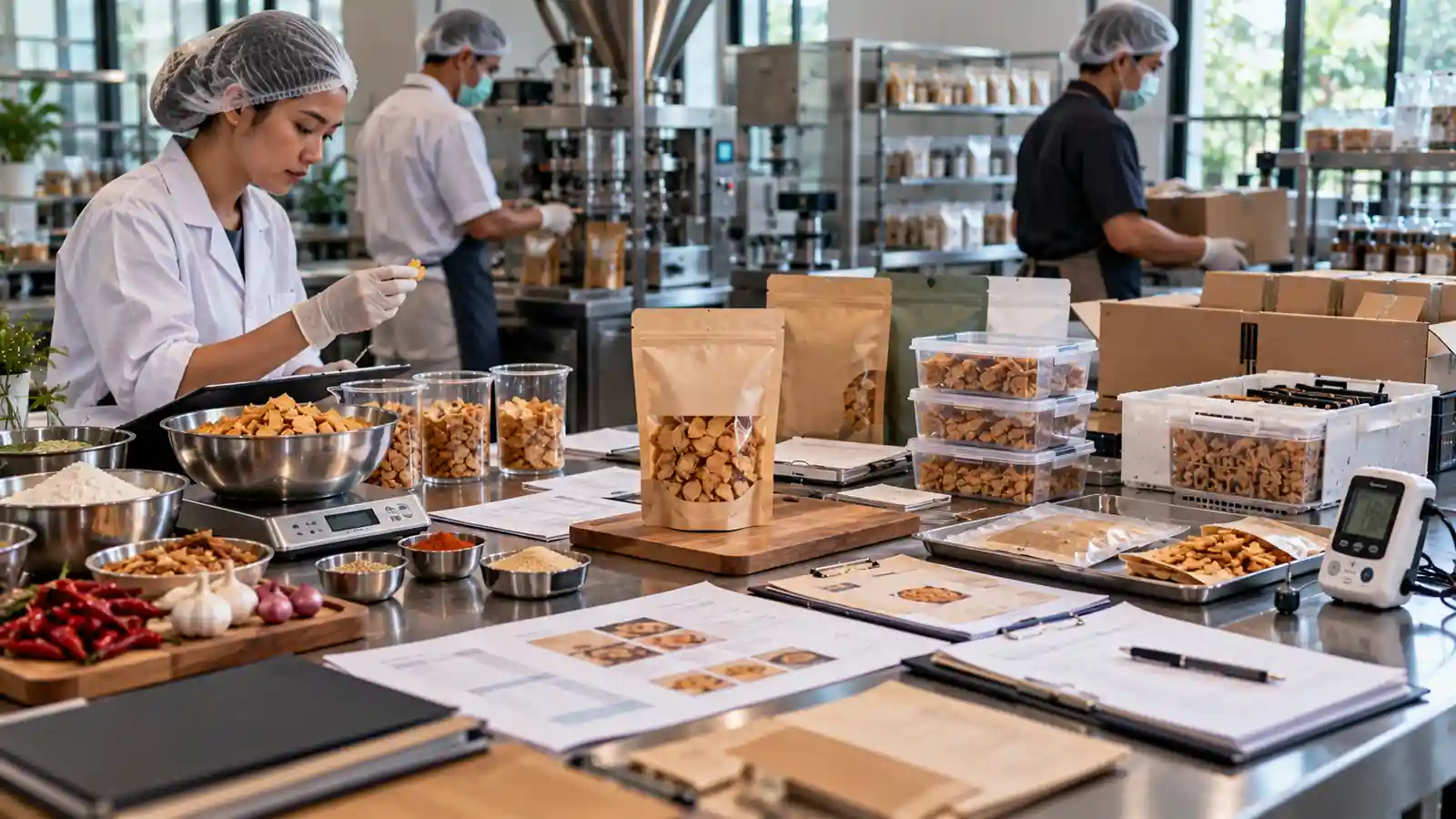
Imagine a chilli-sauce producer already selling five variants.
Demand is healthy, but the business faces inconsistent raw materials, product losses during filling, poorly synchronised packaging inventory and occasional returns caused by batch variation.
Conceptually, the business has two choices.
It can launch a sixth flavour to create new excitement.
Or it can improve operations so output becomes more consistent, waste falls, capacity improves and the existing product travels better through distribution.
Which one is more innovative?
The answer depends on the company's constraint and economics.
This example is illustrative rather than an industry benchmark. The wider point is that innovation theatre can emerge when a company continuously launches new things without improving the system that creates value.
Every additional product can introduce more ingredients, inventory, packaging, forecasting, quality-control requirements and production changeovers.
Data Turns Innovation into an Experiment
The next challenge is distinguishing genuine improvement from an idea that merely sounds attractive.
FAO encourages producers to record inputs, costs, yields, losses and quality so that practice and investment decisions can be guided by evidence.
The same logic applies inside an F&B company.
If package size changes, measure the effect on cost per serving, damage rates, freight efficiency and customer acceptance.
If the formulation changes, evaluate yield, stability, production time, quality and complaints.
If new technology is introduced, compare performance before and after implementation.
Without a baseline, almost anything different can be called innovation.
With a baseline, innovation becomes a business experiment.
Businesses Do Not Have to Invent Everything Themselves
World Food Day 2026 also highlights another important distinction.
FAO argues that the challenge is not simply a lack of new ideas. A major gap is adoption at scale: turning proven solutions into locally adapted, affordable and investable options that farmers and agrifood enterprises can actually use and sustain.
A food SME therefore does not always need to invent technology from scratch.
Value can come from adopting an established preservation process, choosing a better co-manufacturer, improving production planning, setting tighter supplier specifications, or applying quality-control practices already common in more mature manufacturers.
Something does not need to be new to the world to be innovative for the company adopting it.
It needs to solve an important problem better.
From Constraint to Value
As an editorial framework, GATICORP views the process as:
Constraint → Process → Data → Experiment → Validation → Scale → Value
Constraint identifies the problem worth solving.
Process locates where it occurs.
Data establishes a baseline.
Experiment tests a controlled solution.
Validation confirms that performance improves.
Scale moves the improvement into wider operations.
Value asks whether the result creates economic, quality, resilience or customer benefits.
This is not an official FAO or Indonesian Ministry of Industry methodology. It is a way to move “innovation” from a slogan into a sequence of business decisions.
Invisible Innovation Can Still Create Significant Value
Customers may never notice that a business has reduced waste, improved ingredient stability, strengthened its cold chain or lowered batch variability.
There may be no new menu to photograph.
There may be no launch campaign.
Yet the company can become more profitable, scalable, predictable or resilient because of those changes.
FAO notes that innovation becomes transformative when it reaches scale, with private-sector investment, supply chains and business models helping successful solutions travel further.
Food businesses therefore should not ask only:
“What should our next product be?”
Sometimes the more valuable question is:
“Which part of the product we already have is not working as well as it should?”
Innovation can start there.
- FAO — World Food Day 2026. Official theme for 16 October 2026: “Innovate today. Nourish tomorrow.” World Food Day 2026 — FAO
- FAO — World Food Day 2026 innovation materials. Used for the broad definition of innovation across production, markets, data, traditional knowledge, finance and distribution.
- FAO — Innovation from Investment to Impact, 7 October 2026. Used for the distinction between invention and adoption at scale.
- FAO — What Can the Private Sector Do? Used for the role of businesses in investment, supply chains and scaling innovation.
- Indonesia Ministry of Industry — Indonesia Food Innovation 2026: Intermediate Product Edition. Used for the programme's intermediate-product focus, participation since 2020, B2B opportunities, shelf-life rationale, co-manufacturing, risk management, pricing and food-safety development. Indonesia Food Innovation 2026
- Editorial note: The chilli-sauce example is conceptual rather than an industry benchmark. The article does not claim process innovation is inherently superior to product innovation. Constraint → Process → Data → Experiment → Validation → Scale → Value is a GATICORP editorial framework.
Published: October 16, 2026