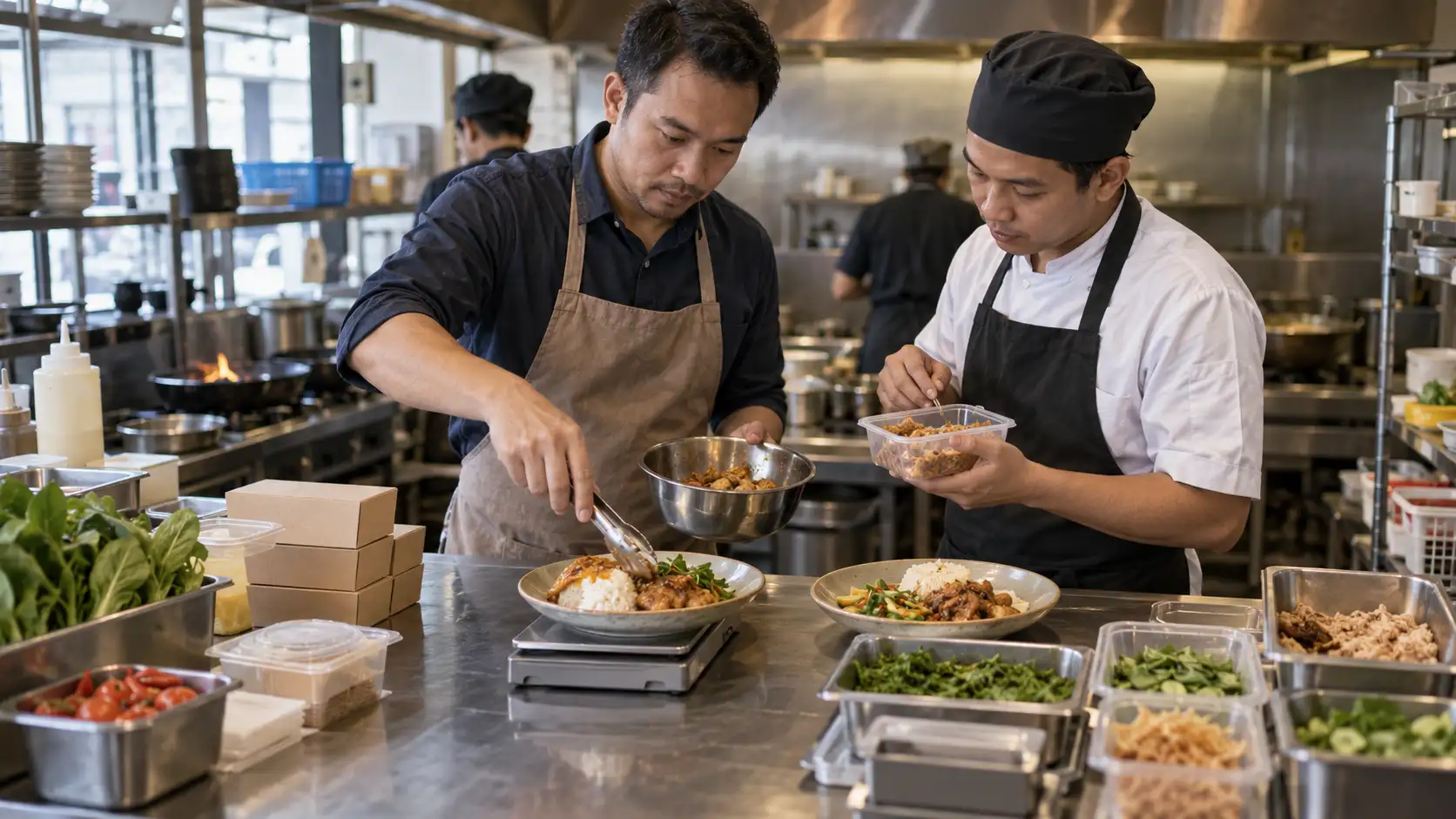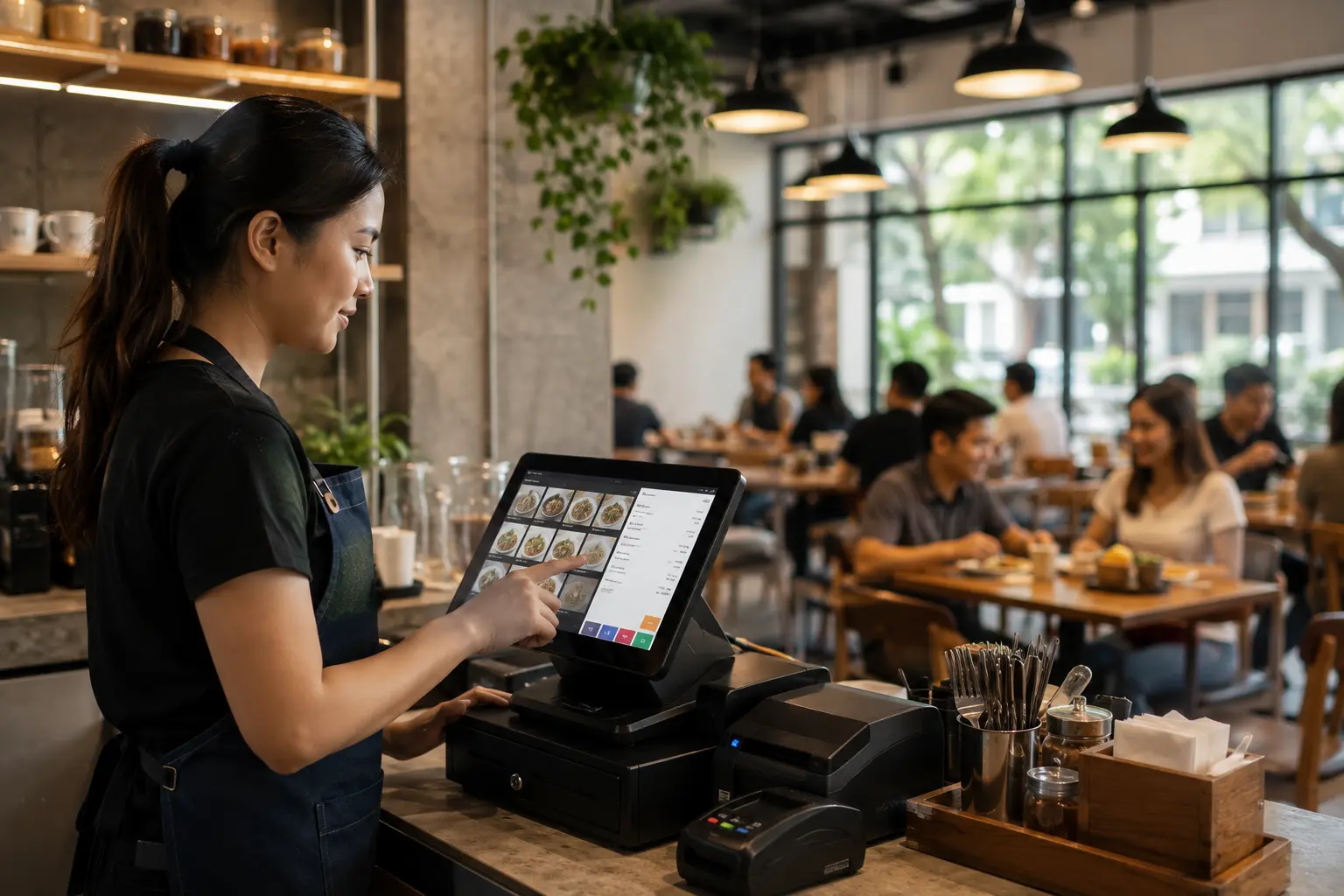

The Food and Beverage (FnB) industry in Indonesia is no longer just about culinary craftsmanship; it is fundamentally about how agile a brand adapts to digital ecosystems. Entering mid-2026, the adoption of fnb technology indonesia has significantly shifted from basic Point of Sales (POS) cashiers to comprehensive, data-driven intelligence. Rapidly evolving consumer behavior demands razor-sharp operational efficiency paired with deeply personalized, real-time service delivery.
Data Intelligence and Smart Pricing Features in Modern POS
Modern restaurant management systems are no longer passive transaction ledgers; they are equipped with algorithmic models that decipher historical consumer behavior. By analyzing purchasing patterns through integrated POS networks, digital systems can automatically generate high-margin menu bundling options and dynamically calculate precise Cost of Goods Sold (COGS).
Eliminating Food Waste with Predictive Inventory
Beyond direct revenue optimization, this technology assists culinary managers in forecasting raw material requirements with unprecedented precision. Using predictive analytics, operators can mitigate the financial risks of over-stocking perishable items. This algorithmic safeguard directly reduces food waste, addresses operational efficiency fnb challenges, and elevates net profit margins.
Open API Integration for a Seamless Delivery Ecosystem
A central pillar of scaling a culinary business in today’s landscape is the ability of internal systems to seamlessly communicate with third-party digital networks. Through robust Open Application Programming Interfaces (APIs), a restaurant’s core ecosystem directly syncs with online delivery aggregators, last-mile instant logistics, and multi-channel payment gateways.
This unified architecture ensures that menu updates, price adjustments, and incoming orders synchronize in real time, eliminating manual data entry bottlenecks that frequently cause operational errors. For industry professionals managing multi-outlet brands, this centralized command structure is vital to maintaining service consistency without overwhelming frontline staff.
FAQ (Frequently Asked Questions)
- Q: What is the primary advantage of upgrading to a data-driven FnB technology ecosystem?
- Q: Is this modern FnB technology Indonesia framework accessible to mid-sized culinary businesses?
Conclusion
The digital transformation within Indonesia's culinary sector proves that advanced software architecture is no longer an optional luxury—it is the foundational infrastructure for sustainable growth. Implementing advanced fnb technology indonesia frameworks backed by data intelligence and system integration dramatically cuts labor hours, minimizes human error, and drives revenue.
For business owners and professionals looking to elevate their culinary operations or build next-generation digital products, an end-to-end integrated system is a crucial strategic step. Contact the expert team at Gaticorp today to discuss implementing the ultimate business management ecosystem and digital product strategies tailored specifically for your brand's growth.
- Computer Based Information System Journal, Universitas Putera Batam (March 2026). URL: https://ejournal.upbatam.ac.id/index.php/cbis/article/download/11114/4702/47158
- Jurnal Digismantech, Universitas Bunda Mulia (2025/2026). URL: https://journal.ubm.ac.id/index.php/digismantech/article/viewFile/7247/3211
Published: May 24, 2026