
The Indonesian culinary market is reaching unprecedented heights. According to data from the Jakpat Survey (2026), the food and beverage sector remains the most popular business type in the country, accounting for 40% of all operating enterprises. This statistic proves the undeniable pull of the F&B industry. However, underneath this massive entrepreneurial enthusiasm lies a harsh reality for brand owners.
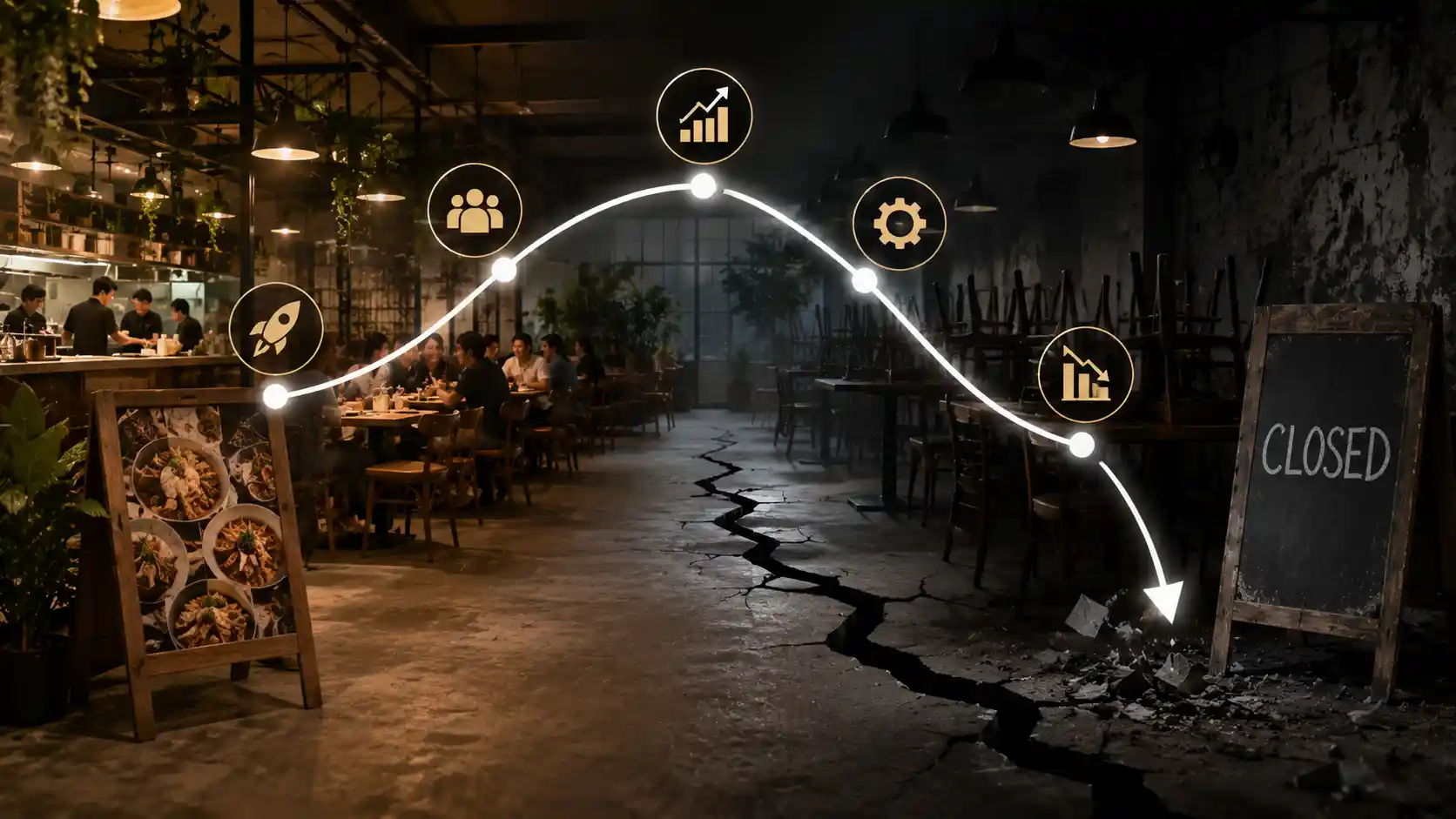
For years, generic business coaches have repeated the outdated myth that most restaurants fail within their first twelve months. The actual market facts state otherwise. Data from the Weighted Operational Survival Analysis by the Tantri Research Team (2026) reveals that 70% to 83% of culinary startups successfully navigate their first year. The real wave of business closures actually hits between the third and fifth years of operation.
Why does this systemic collapse occur? The root cause is rarely a lack of market demand, but rather a severe lack of financial governance and rigid operational frameworks. As order volumes scale up, traditional operations that rely entirely on the owner's physical presence begin to crack. Customer waiting times increase, inventory control breaks down, and product consistency rapidly deteriorates.
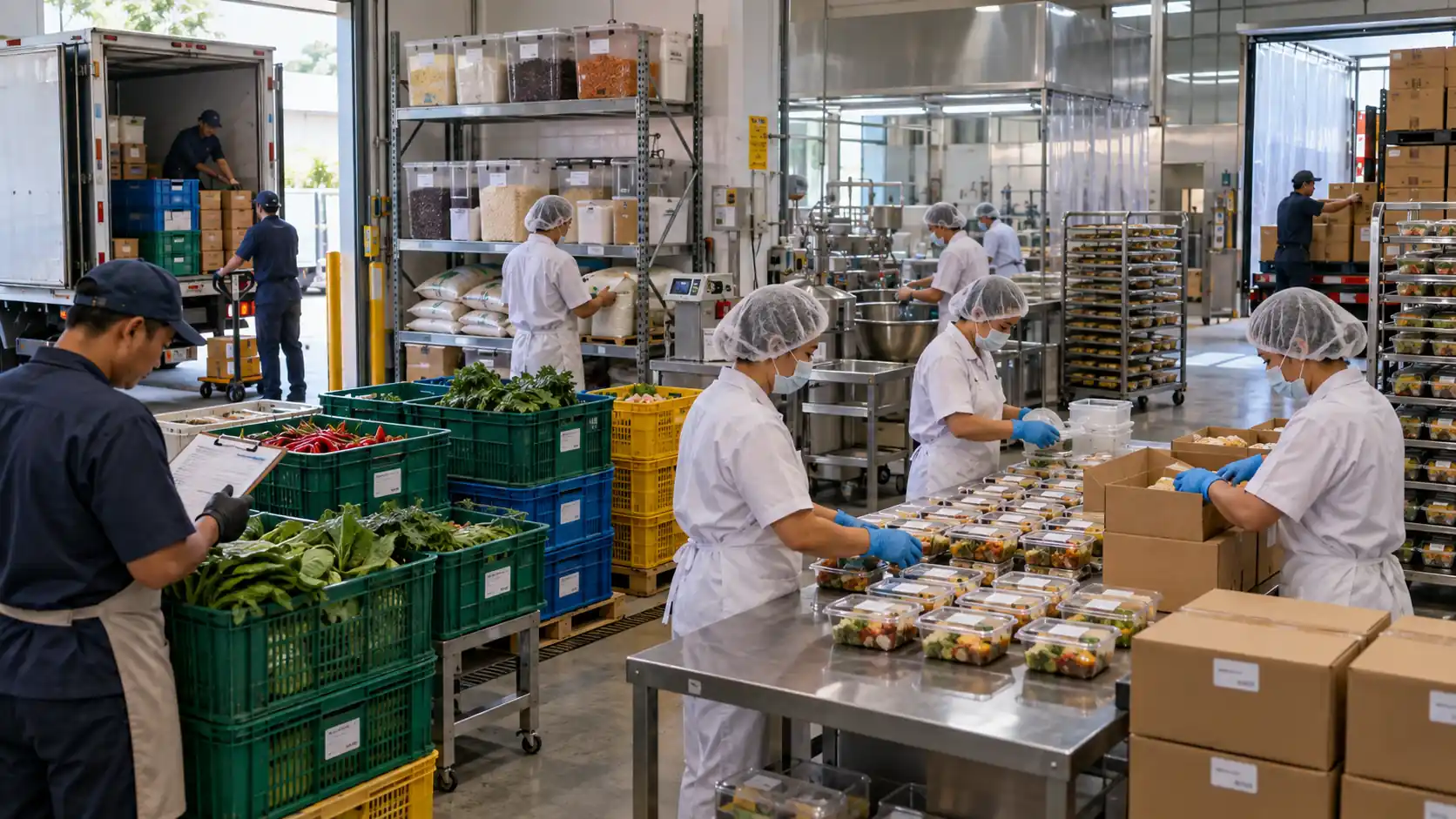
To stop this slow financial decline, the modern business ecosystem must pivot toward high-efficiency production models, such as premium pre-packaged frozen food options that utilize strict manufacturing standards. Relying on hygienically processed, standardized ingredients cuts volatile food costs and eliminates kitchen waste.
Frequently Asked Questions (FAQ):
- Is the F&B sector still profitable in 2026? Yes, holding a 40% share of national businesses, the market is vast but requires high operational discipline.
- What causes restaurants to close after the second year? Poor cashflow management (30%) and the absence of clear operational SOPs during expansion (25%).
- How can a food business reduce costs without losing quality? By integrating premium, pre-cooked frozen products that ensure batch-to-batch consistency.
In conclusion, going viral online will not keep your restaurant doors open forever. Shift your focus toward building an autonomous operational system and enforcing strict financial audits from day one.
- GoodStats — Food and Beverage Sector Becomes the Primadona of Indonesian Business 2026 — GoodStats URL — Accessed May 30, 2026
- Kupas Co — F&B Research: 83% of Food Businesses Pass Year 1 But Crumble Later — Kupas URL — Accessed May 30, 2026
Published: May 30, 2026