
Being a content creator once sat awkwardly outside traditional definitions of business.
Someone might make videos, write a blog, review products, accept endorsements and gradually build enough income for the activity to become a real commercial operation.
Indonesia's KBLI 2025 is trying to capture that change.
BPS says newer economic activities including content creation and artificial intelligence are now more clearly accommodated in KBLI 2025.[1]
But one misunderstanding needs to be addressed immediately:
being recognised in KBLI does not mean every content creator now has the same obligations.
KBLI is not a professional licence
KBLI is Indonesia's standard classification for economic activities.[1]
It supports statistics, administration, economic identification and the country's risk-based business-licensing framework.
So when content creators appear more clearly in KBLI 2025, it does not mean Indonesia has created a “licence to become a creator”.
It means economic activities that were previously difficult to classify can now be described more accurately.
That becomes increasingly useful once creative activity turns into a business.
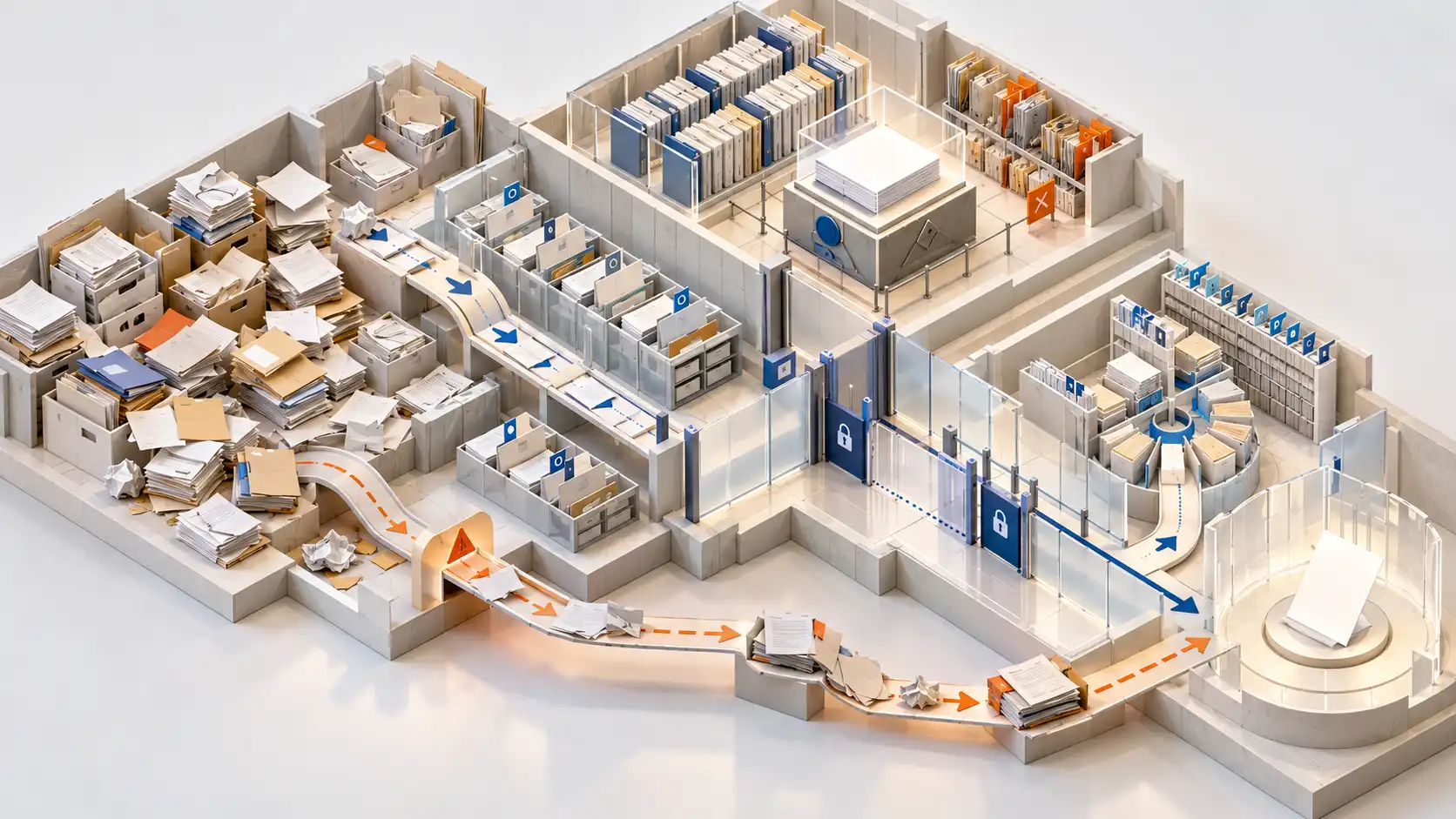
There is no single code for every content creator
This is the most important practical finding.
Indonesia's official OSS system shows that creator activities can fall under different classifications.
KBLI 90200 — Performing Arts Activities, for example, explicitly covers influencers, content creators and YouTubers appearing in vlogs or other content.[2]
But the production of vlogs, video blogs or video podcasts falls under video-production activities in group 5911.[3]
Independent writers and bloggers can fall within another classification covering independent creative writing.[4]
The useful question is therefore not:
“What is the KBLI code for a content creator?”
It is:
“What is my actual primary economic activity?”
The classification should follow the answer.
KBLI 2025 does not invalidate old licences
Another concern is whether a change in classification means an existing NIB becomes invalid.
The government says it does not.
Business licences issued before KBLI 2025 remain valid.[1][5] Where there is no substantive change in the business, code conversion can be handled automatically through OSS/AHU. Active adjustment is required when the purpose or scope of the business genuinely changes.[1]
Creators or agencies with existing NIBs therefore should not assume they need to cancel and register again merely because KBLI has been updated.
The better question is whether the business itself has changed.
Does every creator need an NIB?
A universal yes-or-no answer would be too simplistic.
Indonesia's Ministry of Creative Economy said in June that not every digital creator automatically needs an NIB, and that business formalisation should reflect how the creator's commercial activity has developed.[6]
For a creator with recurring brand contracts, employees, professional services, products or an agency structure, formal business identity becomes increasingly relevant.
An NIB can also matter when working with banks, business programmes, investors or commercial partners requiring formal documentation.
But that does not mean someone uploading their first video should automatically be treated like an established creator company.
The relevant issue is the economic activity, not simply the label “creator”.
Do not confuse KBLI, NIB and tax
This is where the discussion often becomes muddled.
KBLI asks:
How is this economic activity classified?
NIB asks:
How is the business identified in the OSS licensing system?
Tax asks:
How is income treated under tax law?
They interact, but they are not the same thing.
In 2026, Indonesia's tax authority clarified that online content creators—including influencers, Instagram personalities, bloggers and vloggers—can fall within the definition of independent professional work for income-tax purposes.[7]
The tax authority has also stressed that this is not a new influencer tax. The change provides clearer treatment of the income category.[8]
Because creator income can come from brand deals, production services, advertising revenue, affiliate commissions, product sales or agency fees, the correct tax and administrative treatment depends on the actual situation.
Permendag 19/2026 is another layer
Discussion over creator NIBs intensified after the issuance of Minister of Trade Regulation No. 19/2026 on Electronic Commerce, which has been in force since June.[9]
The chronology matters.
KBLI 2025 was issued in December 2025.
The trade regulation governs electronic-commerce activity.
The two can intersect in some digital business models, but Permendag 19/2026 did not create the content-creator category inside KBLI.
Keeping those instruments separate avoids a common social-media problem: turning several different regulations into one simplified—and often inaccurate—claim.
When should a creator start thinking like a business?
There are some practical signals.
Brand deals become recurring.
Invoices become routine.
An editor, assistant or team is hired.
Income comes from several channels.
Contracts and intellectual property become valuable assets.
Or the creator begins selling services, products or IP rather than attention alone.
At that point, the useful question is no longer:
“Am I a creator?”
It becomes:
“What business am I actually operating?”
That may be the most useful thing about KBLI 2025.
It does not need to make creativity more bureaucratic.
Done well, it gives the administration a clearer language for an economy that has evolved much faster than traditional definitions of work.
- [1] Badan Pusat Statistik. BPS Rilis Tabel Konversi KBLI 2020–2025. 27 April 2026.
- [2] OSS — KBLI 2025. 90200 Aktivitas Seni Pertunjukan.
- Mencakup pemengaruh/influencer, kreator konten dan YouTuber yang terlihat dalam vlog/konten.
- [3] OSS — KBLI 2025. 5911 Aktivitas Produksi Film, Video, dan Program Televisi.
- Mencakup produksi vlog dan video podcast.
- [4] OSS — KBLI 2025. 9011 Aktivitas Penciptaan Karya Sastra dan Komposisi Musik.
- Mencakup penulis dan blogger independen dalam cakupan yang relevan.
- [5] Badan Pusat Statistik. Pemerintah Memastikan KBLI 2025 Tidak Memerlukan Perizinan Baru. April 2026.
- [6] Kementerian Ekonomi Kreatif. Kreator Digital Tak Semua Wajib NIB, Sesuaikan dengan Kegiatan Usaha. 22 June 2026.
- [7] Direktorat Jenderal Pajak. Pekerja Bebas Sudah Tidak Bisa Lagi Pakai PPh Final, Benarkah? 19 June 2026.
- [8] Direktorat Jenderal Pajak. Ulas Pajak Influencer: Bukan Pajak Baru. August 2026.
- [9] Kementerian Perdagangan — JDIH. Permendag Nomor 19 Tahun 2026 tentang Penyelenggaraan Usaha Perdagangan Melalui Sistem Elektronik. Berlaku sejak June 2026.
- Editorial Notes
- Tidak ada satu kode KBLI universal untuk seluruh content creator. Kode mengikuti kegiatan ekonomi sebenarnya.
- KBLI bukan “izin profesi”.
- KBLI 2025 tidak otomatis membatalkan NIB/perizinan lama.
- Kemenekraf menyatakan tidak semua kreator otomatis wajib NIB. Pernyataan Kemenekraf juga menyebut PTKP; GATICORP tidak menggunakan PTKP sebagai universal legal threshold untuk NIB, karena PTKP adalah konsep perpajakan dan tidak kami temukan dasar primer OSS/BPS/JDIH yang cukup untuk menjadikannya tes universal kewajiban NIB.
- KBLI/NIB dan kewajiban perpajakan dipisahkan secara konseptual.
- PP 20/2026 memperjelas perlakuan content creator dalam kategori pekerjaan bebas untuk PPh; artikel tidak menyebutnya sebagai “pajak baru”.
- Artikel bersifat informasi editorial, bukan nasihat hukum atau perpajakan individual.
Published: August 18, 2026