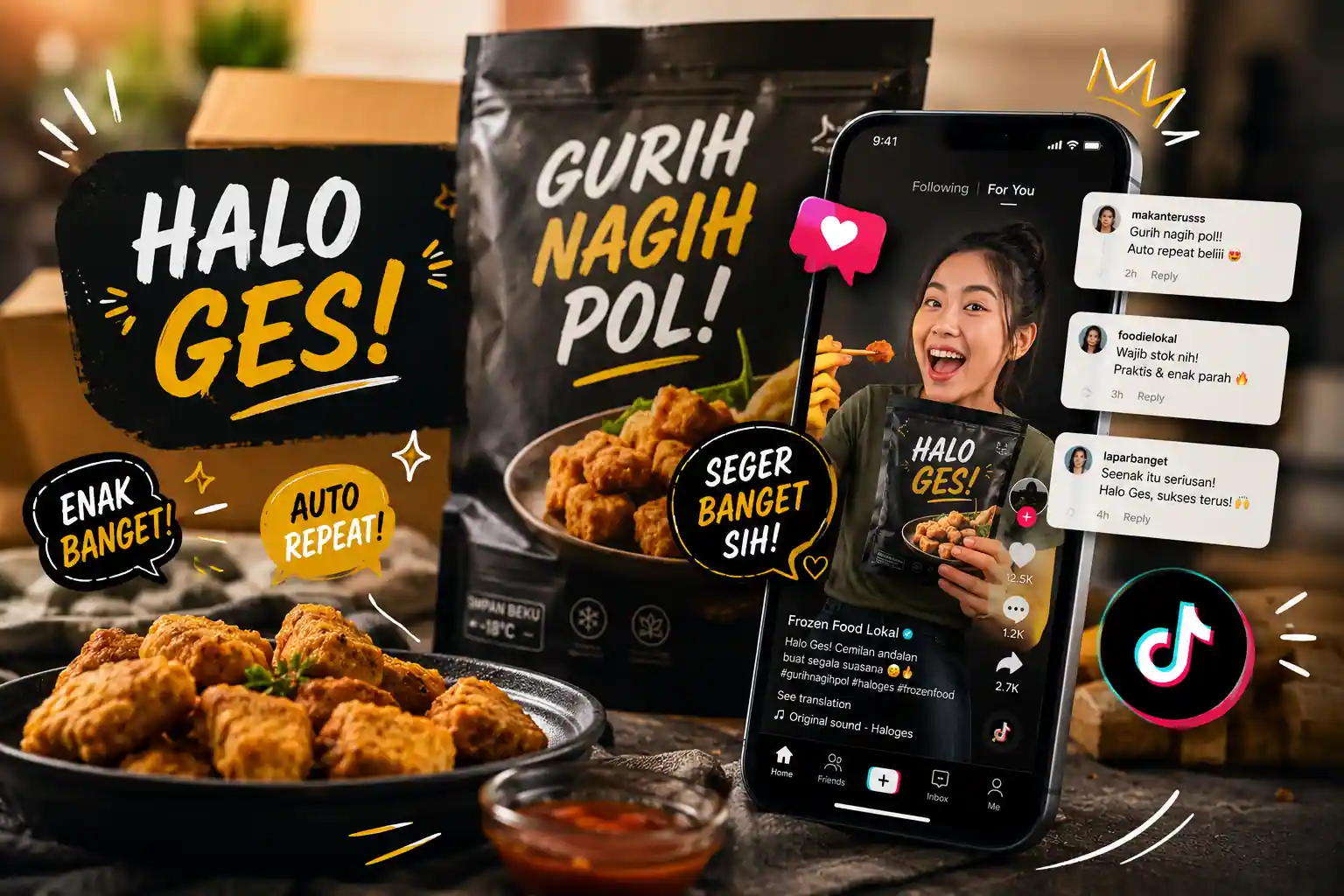

A local frozen food brand suddenly went viral on TikTok this week. Thousands of user comments flooded their latest video post. Interestingly, the massive interaction started with a simple greeting: "Halo Ges."
This was not a random coincidence. The casual communication approach was carefully designed from the start. It aimed to capture the young consumer segment through organic engagement.
Case Background
Casual vocabulary now dominates the modern F&B business environment in Indonesia. Many business owners leave behind the old, rigid corporate communication style. They switch to friendly terms like 'ges', 'cuy', or 'bro'.
This linguistic shift spread rapidly through the first half of 2026. The informal approach successfully breaks down the walls between manufacturers and active buyers. Consumers feel personally valued by the brand.
This change in language style stems from consumer fatigue toward conventional advertising. Standard formal ads are often ignored by social media users today. Modern audiences desire honest, relaxed, and direct interaction instead.
The national culinary sector is the most aggressive industry adopting this radical change. Many premium frozen food producers completely rewrite their visual communication guidelines. The positive results show in high customer loyalty metrics.
What Really Happened? In-Depth Analysis
Why does this strategy work so effectively? A report by Katadata (2025) reveals that culinary brands using informal communication see a 45% increase in digital engagement. This statistic proves a drastic change in Indonesian consumer behavior.
Buyers no longer look only for premium physical product quality. They demand an emotional connection before making any purchase decisions. This emotional branding tactic drives high sales volume growth.
The current market is heavily controlled by the dynamic younger generation. Research from Marketeers (2026) indicates that 68% of young consumers prefer brands that communicate like close friends. Verbal familiarity creates a strong psychological bond.
Friendly terms like 'ges' do not imply speed or operational agility. The expression serves as a collective cultural tool to build deep group familiarity. When brands adopt this phrase, they gain immediate acceptance within the consumer circle.
The impact of this social closeness is massive for business conversions. Customers do not hesitate to recommend the food products to their own social circles. User-generated content is created voluntarily without expensive endorsement fees.
This viral phenomenon expands the market reach independently. It demonstrates the true power of precise communication within the Indonesian digital ecosystem. Marketing success now depends on adapting to localized modern culture.
Key Variables Determining the Outcome
Several key variables determine the success of this unique communication tactic. First, consistency in voice across all digital channels is absolutely mandatory. The presentation on Instagram must match the responses on WhatsApp Business.
Second, authenticity remains vital when handling customer feedback or positive reviews. Responses must remain polite without losing the warmth of community-focused greetings. Third, this communication must align perfectly with physical product excellence.
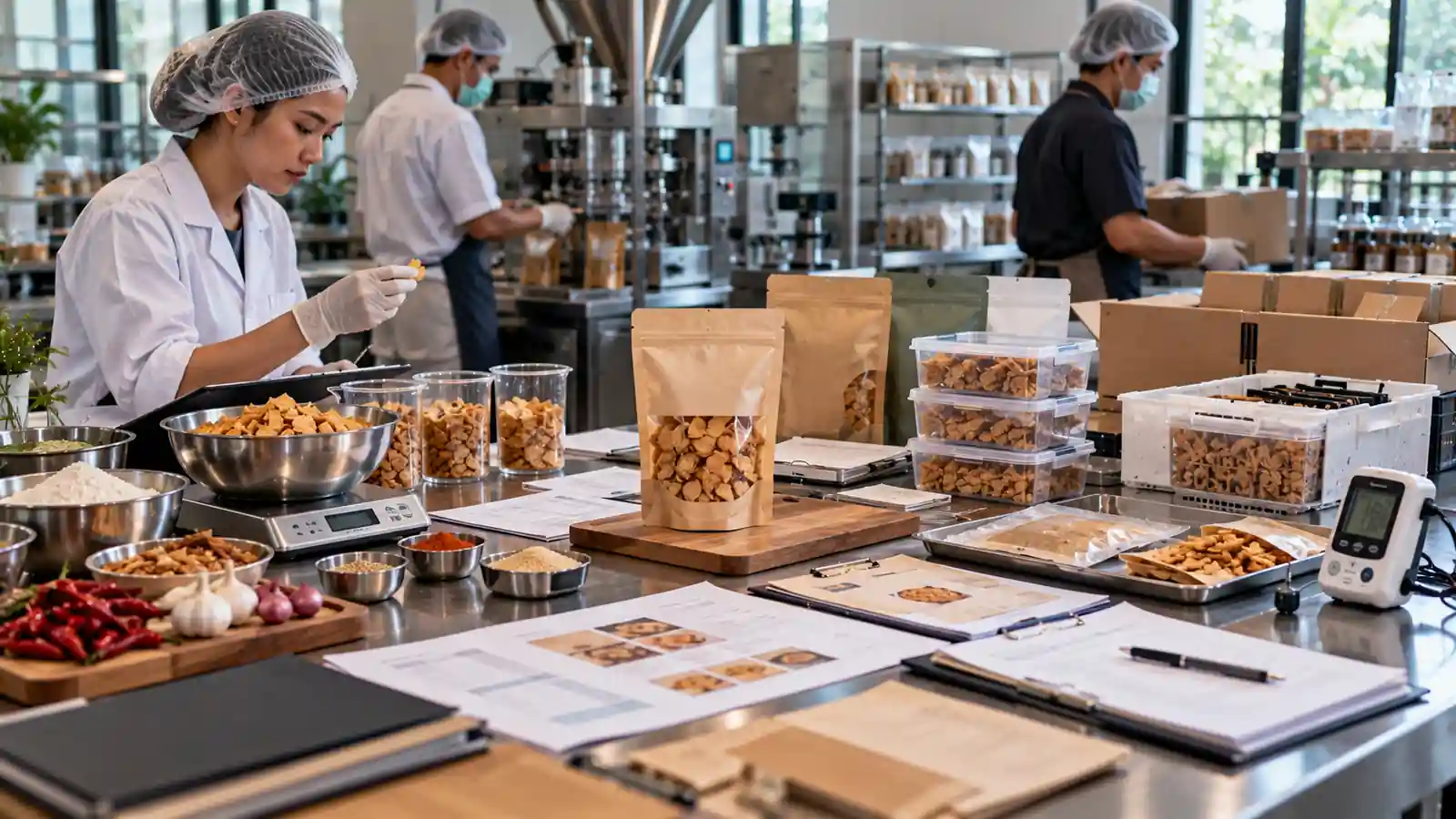
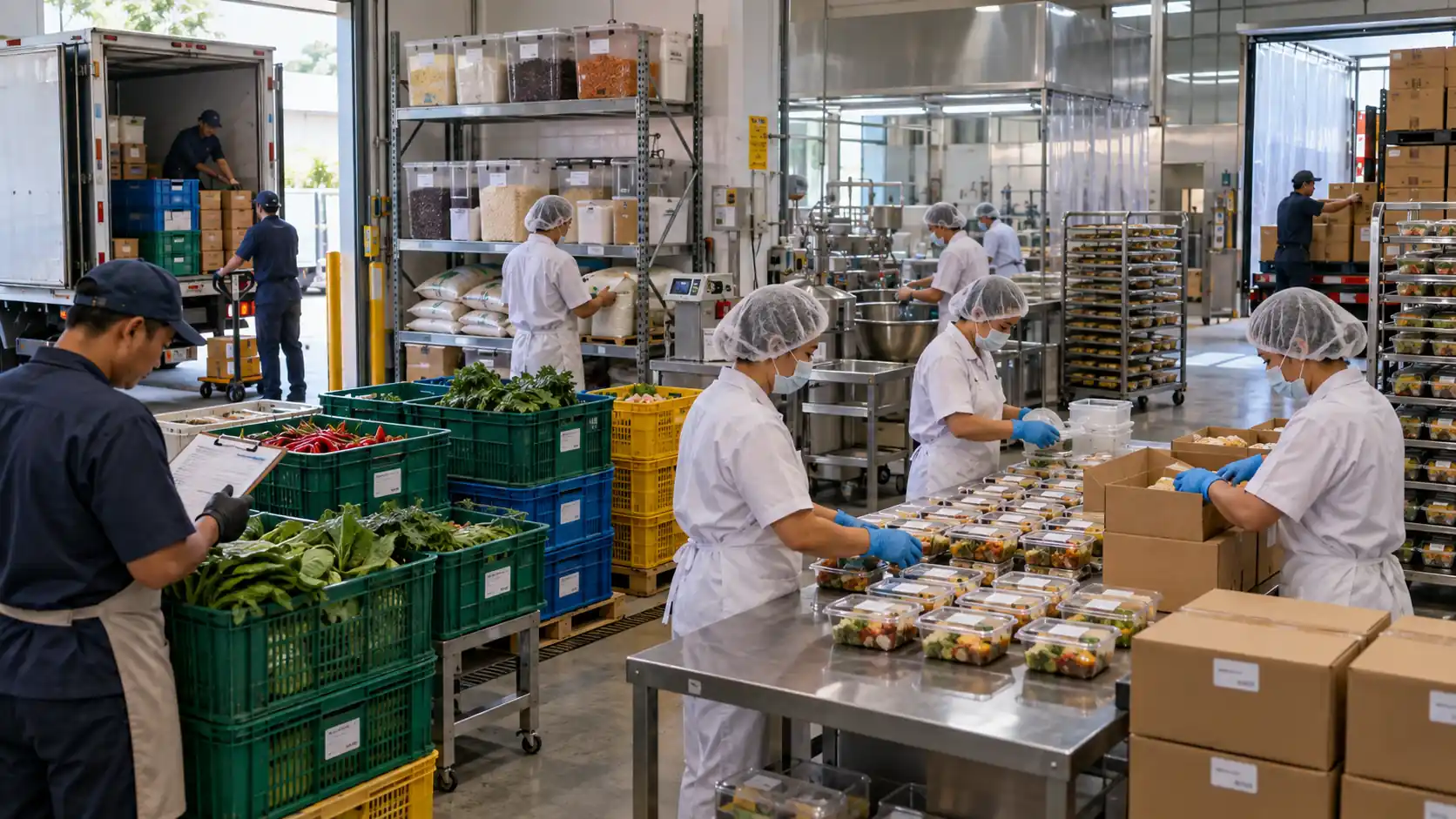
Media communication success must be supported by reliable food production standards. Premium fish-based frozen food products must follow strict hygienic manufacturing processes. Authentic Indonesian flavor profiles remain the main competitive advantage.
Business operations must be digitally ready to manage sudden traffic surges. A viral branding campaign is useless if the product delivery system fails. Tight synchronization between the creative studio and manufacturing units forms the foundation.
Lessons for Businesses in Indonesia
Business owners must recognize this dynamic shift in consumer purchasing habits. Casual communication accelerates conversion rates for retail food products. Still, do not neglect the primary foundation of your economic operation.
Data from the Indonesian Central Bureau of Statistics (2025) shows the food and beverage industry contributes 38% to the non-oil and gas manufacturing GDP. This macro figure proves the food market segment is huge yet highly competitive. Intense competition requires constant innovation.
To win the market, brands must maintain a distinct visual identity character. Working with a professional creative studio helps structure your brand architecture properly. Legal protection for your brand trademark is also vital for long-term safety.
Combining a delicious product with smart digital branding creates a resilient business ecosystem. Language is the strongest bridge to the hearts of modern consumers. Adopting a down-to-earth tone multiplies long-term customer engagement.
FAQ
- Why do F&B brands use casual slang now? This model bridges the emotional distance and visualizes the brand as a real person to young consumers.
- Is informal communication suitable for all culinary products? This approach works well for mass retail goods like premium fish products or contemporary drinks.
- How do you measure the success of community-focused branding? Success is calculated by organic interaction expansion rates, user content creation volume, and repeat order trends.
Closing — What This Case Teaches Us
Evaluate how your brand addresses the market today. Do not let your business interactions sound completely unfamiliar to your own customers. Take definitive action now to transform your business communication for sustainable growth.
- Katadata.co.id (2025) - Digital Marketing Research in National Culinary Sector.
- Marketeers.com (2026) - F&B Buying Behavior of Indonesian Young Generation.
- Central Bureau of Statistics (2025) - Manufacturing Industry Gross Domestic Product Report.
Published: July 16, 2026