
Imagine leaving a premium hospital ward in Jakarta, receiving your billing statement, and preparing to walk out without opening your wallet. This seamless, fully cashless experience has officially evolved. Starting this year, policyholders must cover a minimum of 10% of their total medical expenses directly from their own accounts.
The Core Crisis: A Surge in Medical Inflation
This change is a calculated response to a deeper economic challenge. Our healthcare ecosystem is facing severe cost pressures that directly impact corporate sustainability.
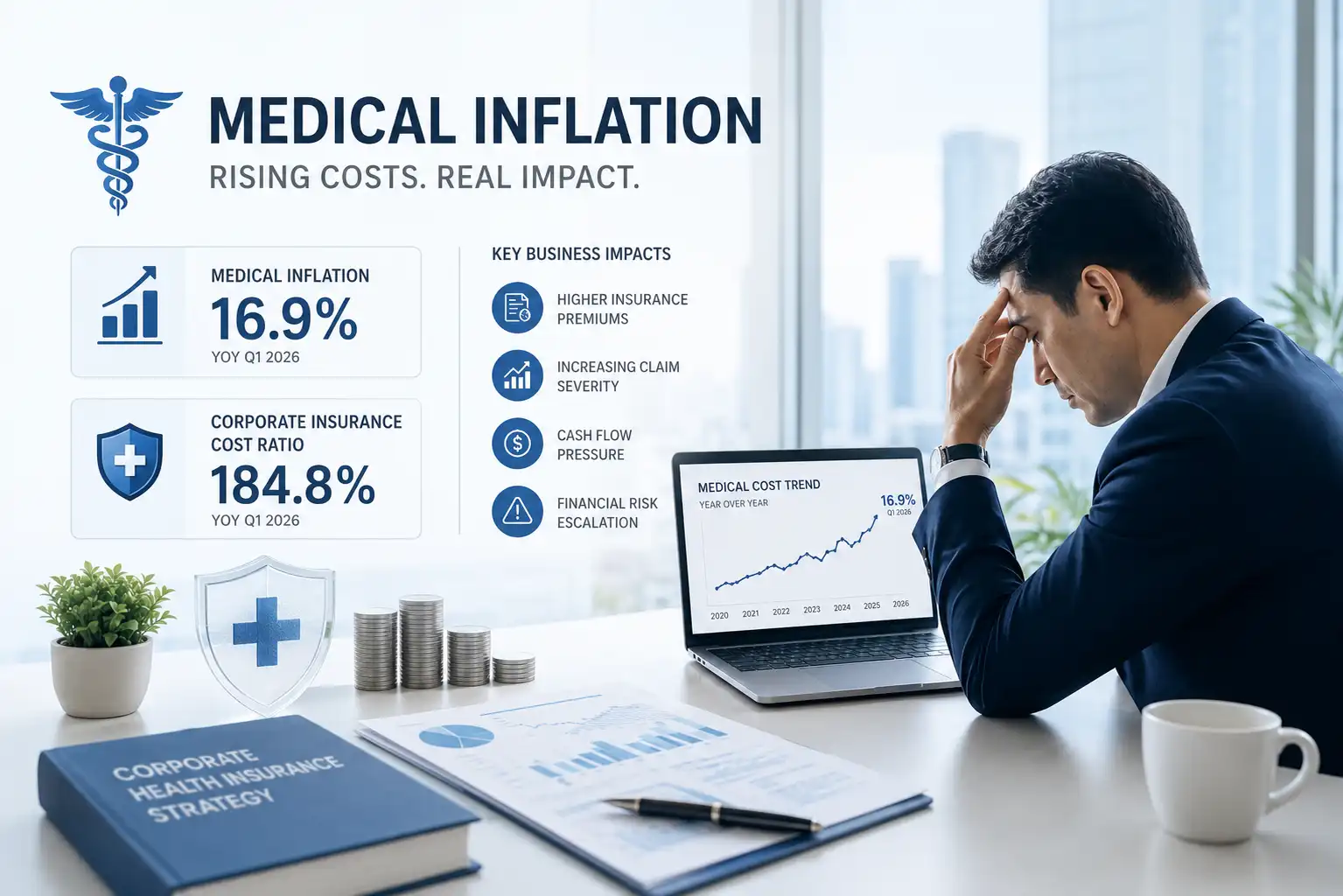
According to data presented at the Health Insurance Ecosystem Forum (2026), medical inflation in Indonesia has climbed to 17.9%. This steep increase creates operational hurdles for more than 3,200 hospitals across the archipelago. Consequently, protection providers face a surge in claims that outpaces premium growth.
Leaving this trend unchecked would compromise the financial stability of insurers, eventually leaving the public without reliable protection channels.
Decoding the Mechanism: The OJK Risk-Sharing Mandate
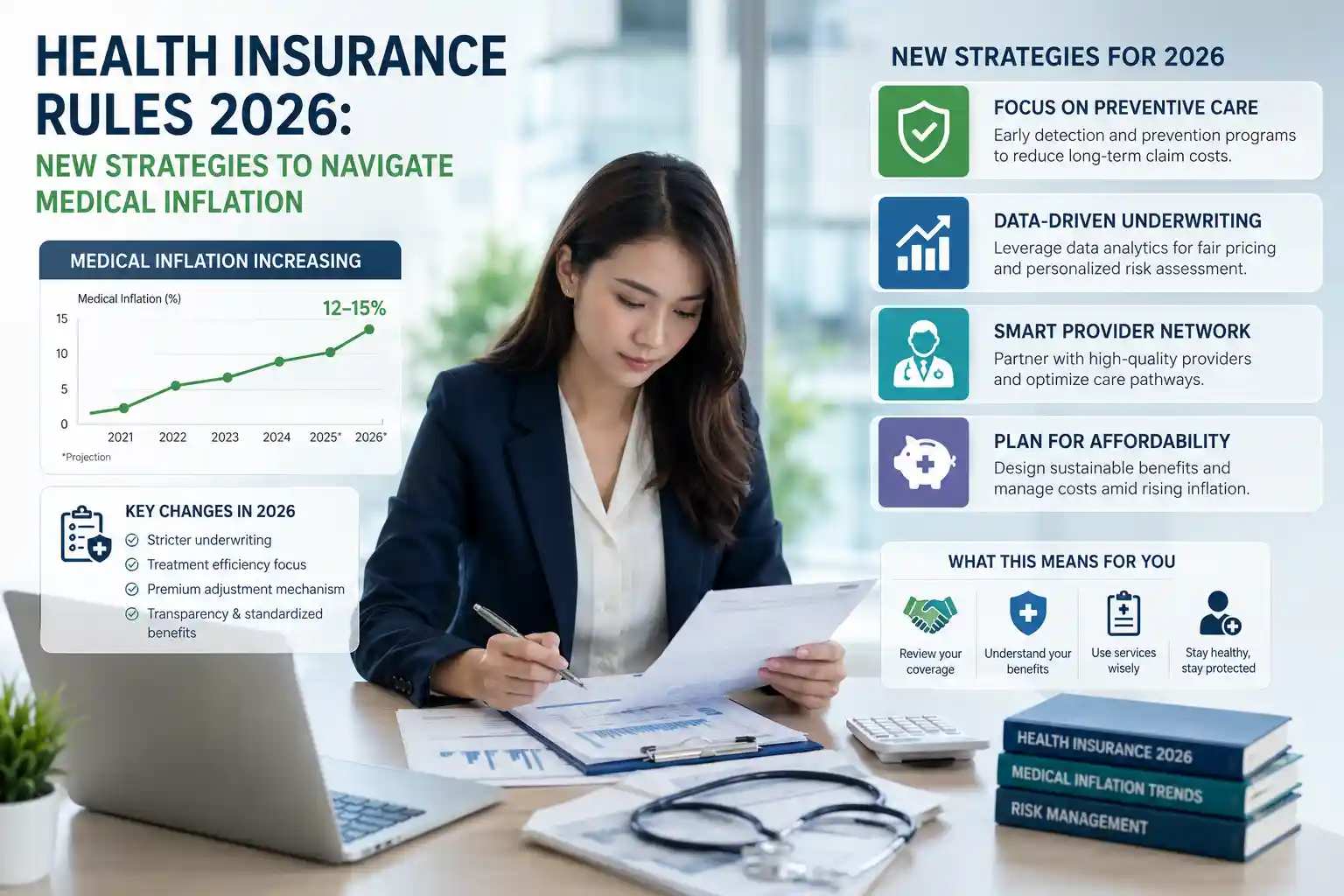
To address this hidden systemic stress, the Financial Services Authority (OJK) enacted the 2026 health insurance regulation, introducing a mandatory risk-sharing framework.
This model is structured to curb unnecessary medical utilization. Free, unmonitored medical access often leads to lax consumption controls. By applying a 10% co-payment rule, regulators aim to cultivate accountability. Consumers are encouraged to become more analytical when selecting medical treatments and procedures.
While the commercial insurance segment maintains an upward trajectory—with total assets reaching IDR 1,219 trillion as of February 2026 according to OJK statistics—operational efficiency remains a vital priority for long-term endurance.
Strategic Application for Business Continuity
For enterprises and individuals, this regulatory shift demands immediate updates to existing asset and risk mitigation strategies. Passive reliance on standard policies is no longer efficient.
- Review Policy Frameworks: Re-evaluate corporate and personal insurance structures to map the exact 10% out-of-pocket exposure during health emergencies.
- Re-align Contingency Funds: Maintain dedicated liquid cash buffers specifically to absorb these co-payment variables without disrupting primary capital.
- Optimize Employee Welfare Packages: Companies must audit their employee benefits to sustain workforce productivity while keeping operational budgets balanced.
Navigating this climate requires earnest precision and proactive planning.
FAQ
- What is the co-payment scheme under the 2026 health insurance regulation? The co-payment scheme is a risk-sharing structure where the insured pays a minimum of 10% of the medical bill, while the insurance provider covers the remaining 90%.
- What factors drive Indonesia's 17.9% medical inflation rate? The primary drivers include the rising costs of imported pharmaceutical ingredients, technological advancements in medical gear, and increased hospital operational overheads.
- Does this mandate apply to all health protection plans? The 2026 regulation specifically targets commercial health insurance lines, dictating terms for new policy issuances and specific structural renewals under OJK guidance.
Securing the Path Forward
This regulatory turn is a prompt to mature our risk management architectures. Sustainable business growth relies on adapting swiftly to structural economic shifts. Ensure your protection strategies are built with absolute clarity and resilient responsibility.
Sources:
- CNBC Indonesia (June 2026) - Surging Medical Inflation Burdens Health Insurance, Ecosystem Reform Is Urgent
- Financial Services Authority / OJK (April 2026) - Indonesian Insurance Sector Performance Report
- Health Insurance Ecosystem Forum (2026) - Risk Sharing Schemes and Healthcare Cost Control Data
Published: June 26, 2026
Source and editorial notes are managed through GATICORP CMS.