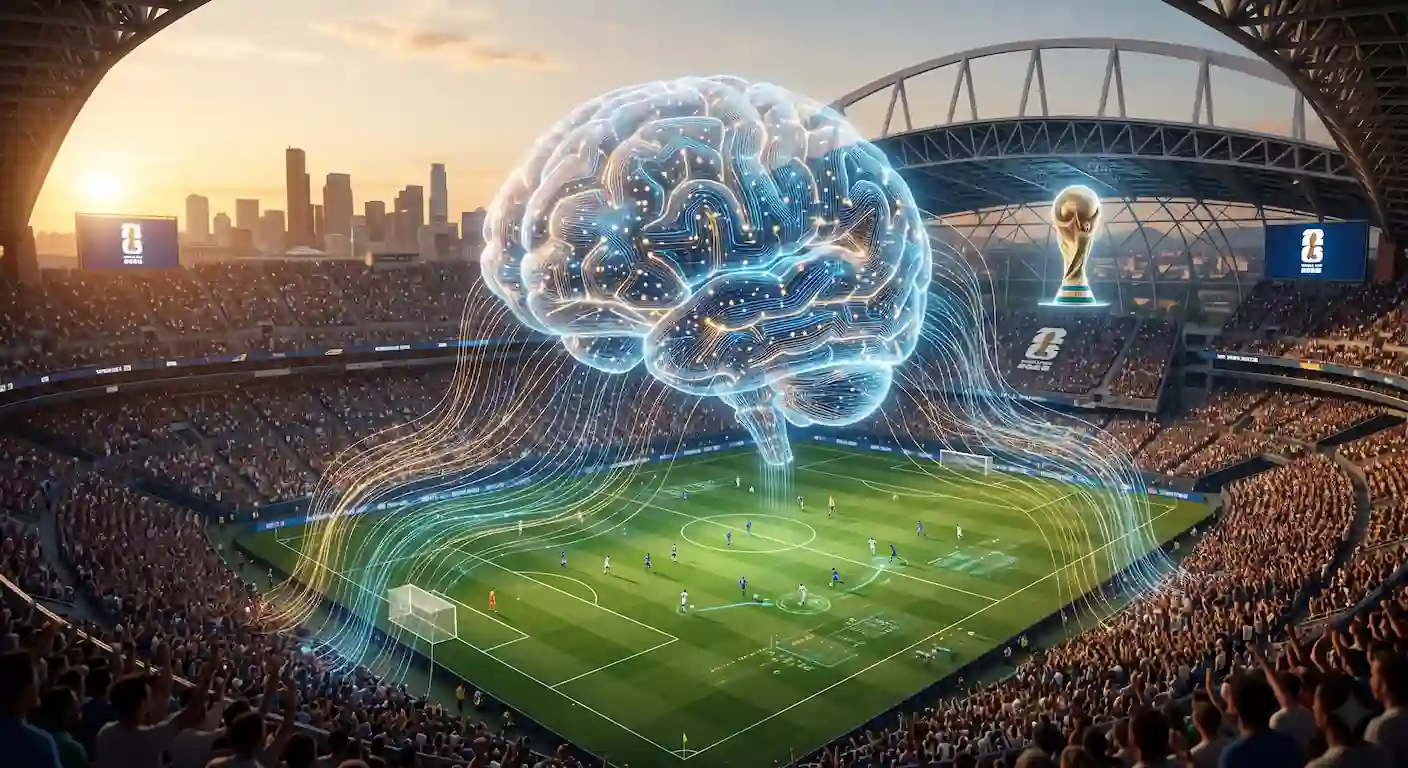

150 million data points. That is the exact volume of raw metrics generated by 22 players and a single ball during a single match at the 2026 FIFA World Cup. This massive figure is far more than a flashy broadcast statistic. FIFA, in tandem with the Lenovo AI Factory, has overhauled critical decision-making, removing human error through edge computing that executes within fractions of a second. The largest tournament in football history has effectively transitioned into a living laboratory for the most ambitious big data architecture on Earth.
For enterprise leaders in Indonesia, this massive technical leap triggers a fundamental question. If a sports tournament can unify millions of moving matrices seamlessly, why does your corporate internal data still suffer from persistent delays and organizational silos?
Why This 150 Million Figure Alters the Game
Official FIFA technical reports (2026) confirm that every host stadium is equipped with 16 high-speed optical tracking cameras capturing 3D avatars of 1,248 players in real-time. Inside the official Adidas Trionda match ball, an Inertial Measurement Unit (IMU) sensor transmits acceleration and spatial rotation data 500 times per second.
When these components converge, artificial intelligence processes the stream instantly to power the Advanced Semi-Automated Offside Technology (SAOT). Referees no longer stand frozen by the touchline reviewing monitors for five minutes. Decisions are absolute, instant, and highly accurate.
The true power of this system centers on the democratization of access. Through the Football AI Pro platform, debut nations and global giants receive the exact same tactical metrics. This dismantles the financial barriers that historically separated affluent teams from developing ones.
Practical Lessons for Enterprise Architecture
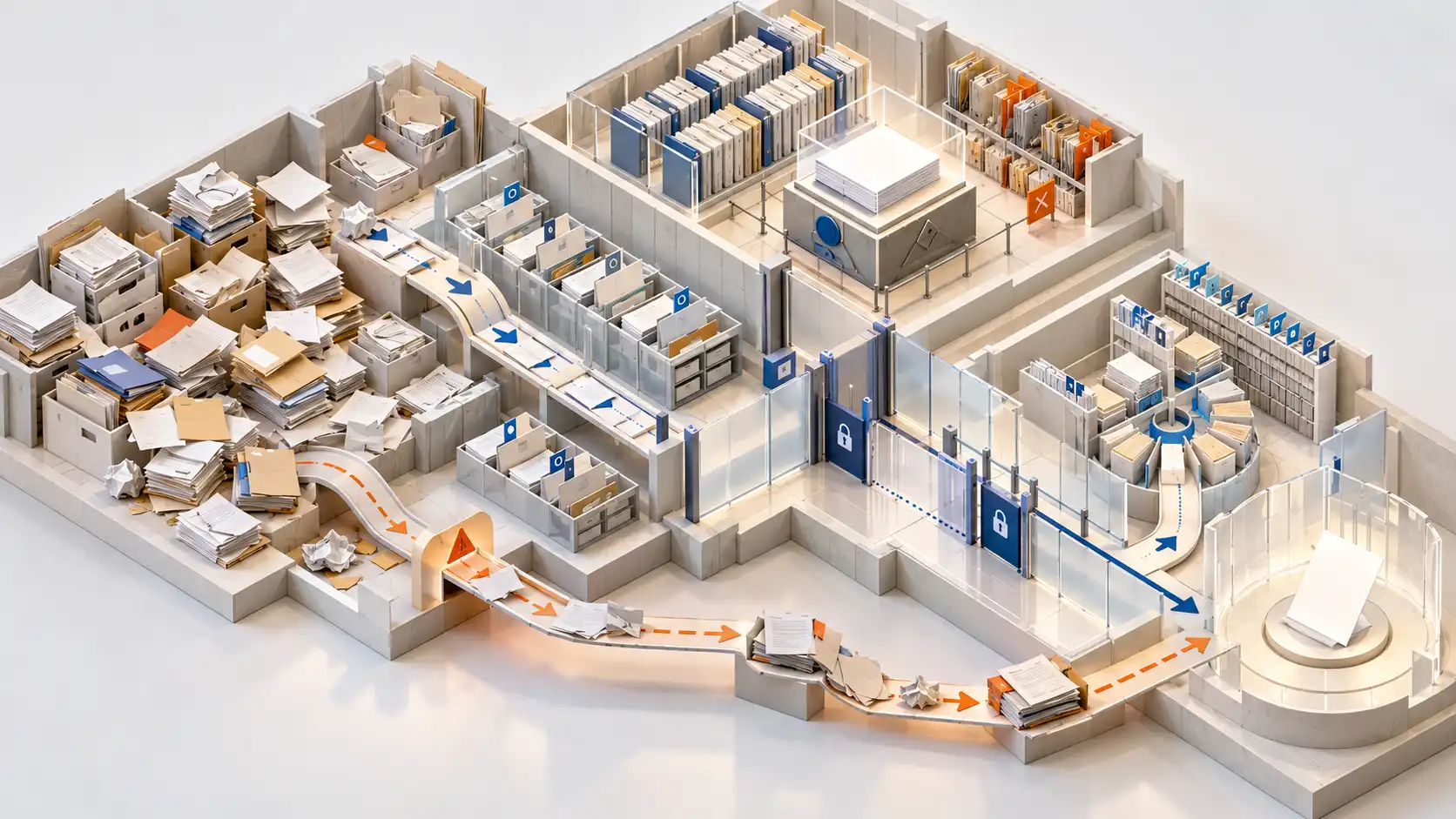
The Indonesian corporate landscape frequently falls prey to the myth that digital transformation means purchasing the most expensive software on the market. The result is almost always disconnected data pools that fail to communicate.
The 2026 World Cup delivers a masterclass in horizontal integration. The ball sensors, stadium cameras, and data center algorithms collaborate within a unified ecosystem. Applied to local retail or logistics, this integrated mindset is the exact mechanism needed to eliminate operational waste.
- Real-Time Predictive Systems: Enterprises cannot afford to wait for monthly financial wrap-ups to make executive decisions. You need integrated dashboards capable of capturing supply chain anomalies the moment they occur.
- Infrastructure Standardization: Mirroring FIFA's strategy of providing a uniform AI platform, internal corporate management must establish a single source of truth. This prevents marketing, operations, and finance teams from working in isolation.
Real-World Challenges and Execution
Managing 150 million data points per game demands intense computational stability. In Indonesia, similar execution strategies often collide with infrastructure limitations and a deficit in digital talent. Enforcing AI without restructuring a custom database foundation results in hollow IT spending.
PT Gati Eling Sembada, via our Digital Product Studio division, understands these complexities thoroughly. Technology solutions must never be generic. Every business scale requires an adaptive, secure, and highly scalable system architecture built to handle future data surges. True transformation begins with the courage to rebuild legacy backbones, not just modernizing the user interface.
FAQ
- What AI technologies are being utilized in the 2026 World Cup? The tournament utilizes Advanced Semi-Automated Offside Technology (SAOT), the Football AI Pro tactical assistant, facial recognition security, and digital twin replicas for crowd management.
- How do the smart ball sensors capture on-field data? The Adidas Trionda ball houses an IMU sensor that feeds physical contact and movement data 500 times per second directly to AI processing centers.
- Why do Indonesian businesses need data infrastructure similar to the World Cup? Fully integrated data infrastructure mitigates costly errors caused by delayed information, automates core operational processes, and drives massive cost efficiencies.
- CNN Indonesia (2026). Deret Teknologi Canggih Piala Dunia 2026: Bola Pintar hingga AI.
- Vietnam.vn / FIFA Official (2026). Terobosan teknologi penting di Piala Dunia 2026.
- Morgan Stanley Research (2026). Media and Beverage Score at World Cup: Economic Impact Report.
Published: June 26, 2026